
How to Choose Between Static and Dynamic Tree Cabling for Your Property
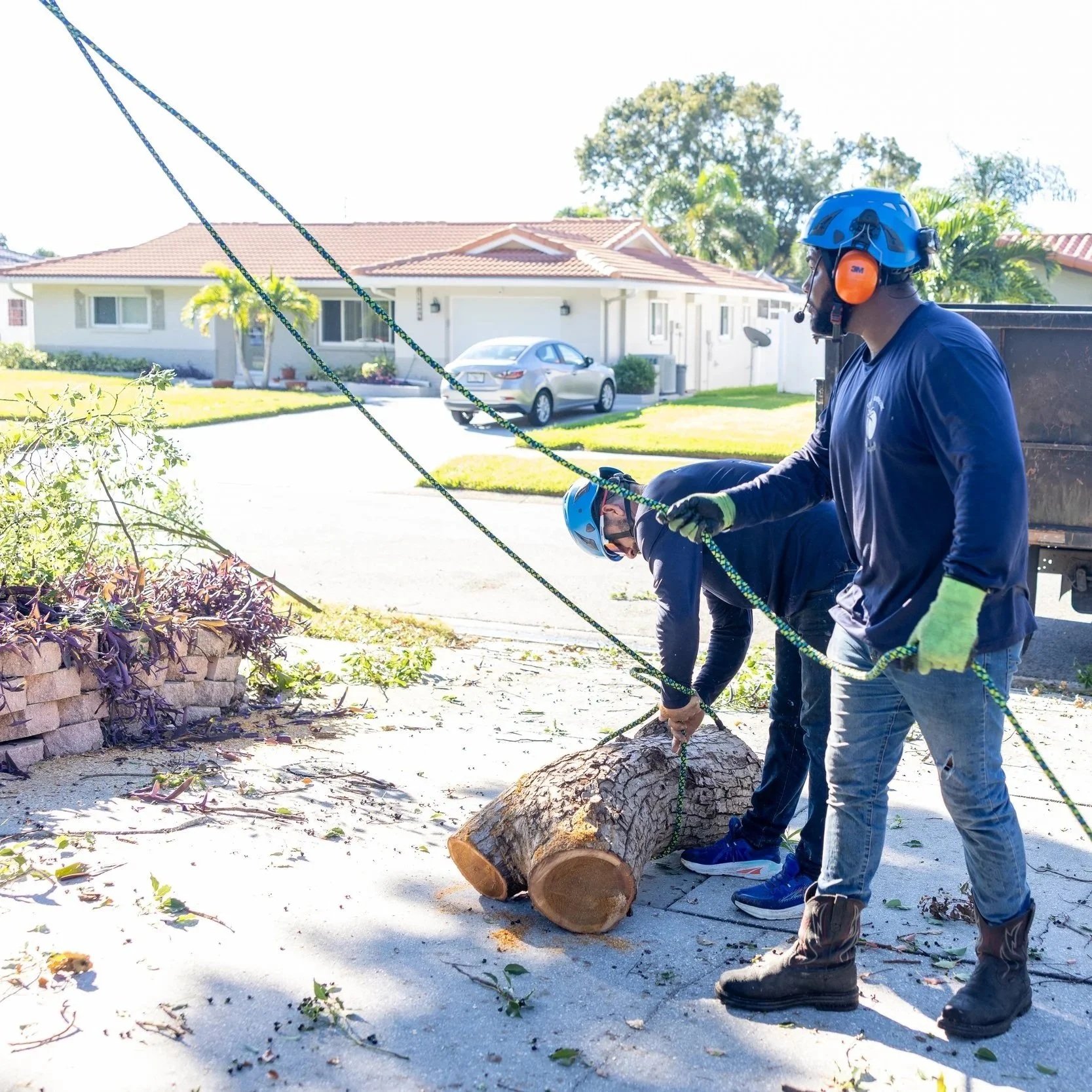
Choosing the right cabling system lets trees thrive safely—redistributing stress prevents limb failure without harming overall health, says certified arborist.
Understanding Tree Cabling: What It Is and Why It Matters
Tree cabling is a structural support technique used to stabilize trees with identifiable weaknesses, but that still retain sufficient overall health to remain part of the landscape. Rather than correcting decay or reversing internal defects, cabling manages how physical forces move through a tree so that vulnerable areas are not asked to carry more stress than they can safely handle. In storm-prone areas like Largo, FL, where seasonal winds, saturated soils, and sudden weather shifts place repeated pressure on mature canopies, tree cabling often becomes a proactive risk management tool rather than a response after damage occurs.
At its core, tree cabling involves installing steel or synthetic cables between major limbs or stems to redistribute loads created by gravity, wind, and canopy weight. The system is designed to share stress between stronger portions of the tree, reducing the likelihood of sudden limb or trunk failure. Cabling does not replace other tree care practices. It works alongside pruning, monitoring, and, in some cases, bracing rods or soil management. When applied correctly, cabling allows valuable trees to continue providing shade, cooling, and character without creating unnecessary hazards for people or property.
Common Tree Defects That Lead to Cabling Decisions
Certain structural conditions frequently prompt arborists to consider tree cabling. Co-dominant stems with narrow attachment angles and included bark are among the most common concerns, as these unions lack the solid wood connection needed to resist separation under load. Long, heavy limbs that extend outward over time can also create leverage issues, especially as internal wood strength declines with age. Cracks, past storm damage, and partial limb failures further elevate risk because the remaining fibers must absorb forces they were never designed to handle.
Risk increases significantly when these defects exist in high-value or high-use areas. In Largo, FL, limbs over homes, driveways, sidewalks, patios, and play areas demand closer attention because failure affects people and property rather than just the tree. Species prone to brittle wood or weak structure, combined with poor pruning history or repeated storm exposure, often require earlier intervention. Recognizing these warning signs early allows cabling to reduce risk while preserving trees that still play an important role on the property.
Static and Dynamic Tree Cabling at a Glance
Tree cabling systems generally fall into two categories: static and dynamic. Static cabling relies on steel cables and rigid hardware designed to limit movement between supported limbs or stems. These systems restrict motion more firmly and focus on transferring stress away from weak attachments during storms. Dynamic cabling uses high-strength synthetic materials that stretch under load, allowing natural movement during normal conditions while providing restraint only when forces exceed safe limits.
The difference lies in how movement is managed. Static systems prioritize control and predictability, while dynamic systems prioritize flexibility and shock absorption. The appropriate choice depends on defect severity, species characteristics, proximity to targets, and the extent of ongoing inspection and maintenance the property owner is prepared to support. In Largo’s coastal climate, both systems play valuable roles when matched correctly to the situation.
When Tree Cabling Is and Is Not the Right Solution
Tree cabling works best for trees that still retain structural integrity despite identifiable weaknesses. Mature trees with moderate defects, strong root systems, and meaningful landscape value often benefit from cabling that reduces risk without sacrificing canopy or character. In Largo, trees exposed to recurring storms but growing in stable soil conditions often respond well when cabling is paired with selective pruning to reduce canopy weight and improve balance.
Cabling is not appropriate in every case. Trees with extensive internal decay, failing root systems, severe lean caused by soil movement, or irreversible decline may present risks that cabling cannot adequately manage. In those situations, removal may be the safer option. Understanding these limits helps property owners set realistic expectations and reinforces that cabling is a risk management strategy rather than a permanent fix.
Static Tree Cabling: Definition and Core Characteristics
Static tree cabling is a rigid support system that uses steel cables and fixed hardware to limit movement between weak or overextended parts of a tree. The cables are typically installed high in the canopy, often around two-thirds of the distance from the defect to the branch tips, where leverage forces are greatest. In some cases, multiple stems are connected to distribute loads more evenly across the structure.
From a practical standpoint, static cabling provides strong, predictable restraint. It is commonly used on older, larger trees with advanced structural concerns where movement must be tightly controlled. The hardware is visible and intentionally robust, which often provides reassurance when large trees stand over homes or frequently used outdoor spaces in Largo, FL.
Static systems use aircraft-grade steel cable, protective thimbles, and anchoring hardware such as through bolts installed into sound wood. Proper sizing and placement are critical. When installed correctly and inspected regularly, static cabling can remain effective for many years. However, because it restricts natural movement, it can limit adaptive growth and concentrate stress at anchor points, making careful design essential.
Dynamic Tree Cabling: Definition and Core Characteristics
Dynamic tree cabling uses flexible synthetic materials designed to stretch under load and absorb energy rather than resist it outright. These systems allow branches and stems to move naturally during normal weather and engage more fully only during extreme conditions. The goal is to reduce peak forces that cause failure while preserving the tree’s ability to strengthen itself over time.
Dynamic systems typically avoid drilling into the tree, relying instead on slings or wraps that distribute pressure around the branch. This makes them less invasive and often less visually noticeable. They are commonly recommended for younger or mid-aged trees with moderate defects and good overall health, where guiding development and preserving appearance matter.
While dynamic systems support natural biomechanics, they provide less rigid restraint than steel. Synthetic materials also have defined service lives and degrade under UV exposure and heat, leading to more frequent inspections and replacements. In Largo’s climate, that maintenance commitment is an important part of the decision.
Assessing Your Tree Before Choosing a System
Choosing between static and dynamic cabling starts with a thorough assessment of tree health and structure. A vigorous tree with strong leaf density and consistent growth may respond well to flexible support, while a declining tree with extensive decay may not benefit from cabling at all. Structural defects such as cracks, weak unions, and overextended limbs must be evaluated alongside root stability and site conditions.
Targets beneath the tree play an equally important role. A defect over an unused portion of a yard carries a different risk than the same defect over a driveway or patio. In Largo, where outdoor living spaces are used year-round, exposure often drives more conservative decisions. Wind patterns, soil drainage, and site exposure further influence which system best matches the environment.
Key Differences Between Static and Dynamic Systems
Static cabling restricts movement significantly, acting as a firm brace during storms. Dynamic cabling allows controlled sway and engages primarily during peak stress. Static systems involve drilling and visible steel hardware, while dynamic systems tend to be less invasive and more discreet.
Steel systems offer high strength and long service life with maintenance, but are subject to corrosion and fatigue. Synthetic systems resist rust and absorb shock well, but degrade over time and require planned replacement. Both systems require regular inspection, and neither should be viewed as permanent or maintenance-free.
Factors That Guide the Final Choice
The severity of the defect is often the deciding factor. Advanced cracks or unions over structures typically require static support. Early-stage or moderate issues may be better served by dynamic systems that encourage continued strengthening. Species traits, growth rate, and age also matter, as fast-growing trees may outgrow static hardware more quickly.
Risk tolerance and space usage also influence decisions. Residential homeowners may accept some flexibility, while commercial properties or HOAs often favor rigid control. Budget considerations should include long-term costs, not just installation. Owner preferences regarding appearance and invasiveness also deserve consideration, provided safety requirements are met.
Working With a Certified Arborist
A certified arborist evaluates tree health, structure, and site conditions before recommending any cabling system. That assessment may include visual inspection, sounding, or advanced diagnostics, depending on complexity. Arborists explain risk levels, options, and expected outcomes to help property owners make informed decisions.
Asking questions about system lifespan, inspection schedules, alternatives, and remaining risk helps clarify expectations. Cabling works best when integrated with pruning and long-term care rather than treated as a one-time solution.
Safety, Liability, and Long-Term Planning
Installing cabling demonstrates proactive risk management, but it does not eliminate responsibility. Regular inspections and documentation matter, especially when defects have been identified. Insurance providers may not reduce premiums for cabling, but records showing professional assessment and mitigation support responsible ownership.
Trees change over time, and cabled trees require re-evaluation as they age or conditions shift. New cracks, advancing decay, or changes in lean signal the need for reassessment. In some cases, removal becomes the safest option after cabling has served its purpose.
Conclusion
Choosing between static and dynamic tree cabling depends on understanding how each system manages movement, risk, and long-term tree health. Static systems provide firm control for severe defects and high-consequence settings, while dynamic systems offer flexible support for healthier trees with moderate concerns. No single approach fits every situation.
In Largo, FL, where storms and mature canopies intersect with homes and outdoor living spaces, informed decisions supported by professional assessment help balance safety, appearance, and preservation. Viewing cabling as part of an ongoing care strategy allows property owners to protect both their trees and their property with confidence.
Tree Cabling FAQs in Largo, FL
Trees with cracks, co-dominant stems, heavy limbs over structures, or a history of partial failure should be evaluated by an arborist. Cabling is recommended when support can meaningfully reduce risk and extend safe service life.
Tree cabling requires specialized knowledge of tree biomechanics and proper installation standards. Improper installation can increase risk, so professional installation by a qualified arborist is strongly recommended.
Most systems should be inspected annually and after major storms. Dynamic systems often have defined replacement timelines, while static systems require monitoring for corrosion, growth impact, and hardware wear.
Cabling is a long-term management tool, not a permanent fix. Trees continue to age and change, so reassessment and eventual adjustment or removal may be necessary over time.
