
Pollarding: The Ancient Tree Care Technique Making a Comeback
Long before modern arboriculture and mechanical lifts, people managed trees with techniques that balanced beauty, utility, and sustainability. One of those methods, pollarding, dates back centuries and is making a well-deserved return in professional tree care. It’s not just about keeping trees tidy; it’s about preserving their structure, promoting longevity, and managing growth safely in urban and residential environments.
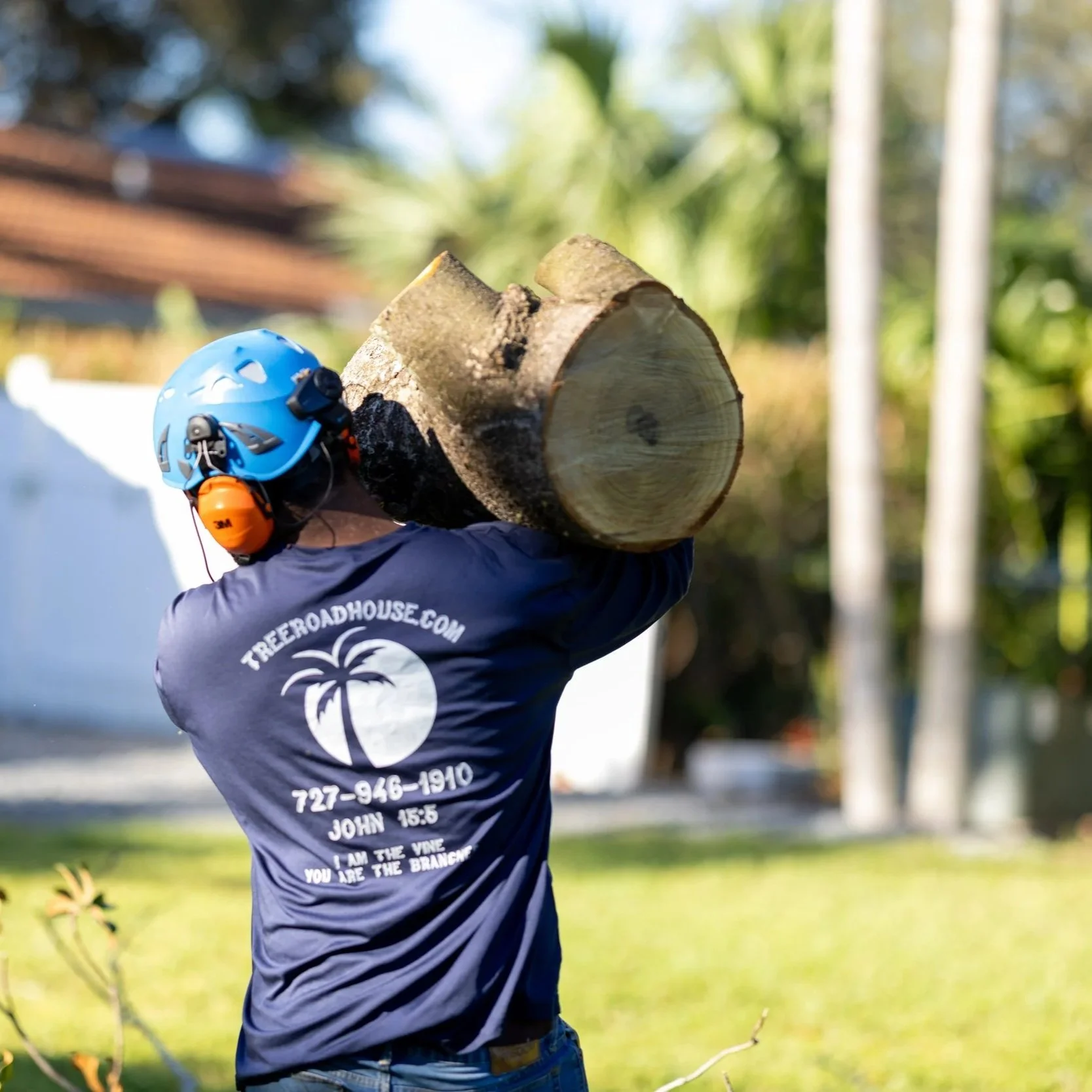
One of those methods, pollarding, dates back centuries and is making a well-deserved return in professional tree care.
Understanding Pollarding
Pollarding is the practice of cutting back the upper branches of a tree to promote dense, healthy regrowth. It’s typically done at a consistent height, allowing the tree to produce new shoots from the same points year after year. The process controls size, prevents overgrowth, and helps trees coexist more harmoniously with their surroundings.
Professionals use pollarding to maintain the desired shape and manage trees in confined spaces where height and spread could cause problems. The technique encourages strong, controlled growth and creates a distinctive, rounded crown. Over time, pollarded trees develop thick, knotted heads where new shoots emerge, giving them a unique, sculptural appearance that blends function with artistry.
The Ancient Roots Of Pollarding
Pollarding dates back to medieval Europe, where it was used to produce firewood, livestock fodder, and materials for weaving or thatching without killing the tree. By cutting the upper branches regularly, people could harvest new growth while preserving the trunk for continuous production.
Today, the purpose has evolved from necessity to maintenance and aesthetics. The same principles apply, but the goal is safety, health, and beauty rather than firewood. Urban environments, in particular, benefit from pollarding’s ability to manage tree height without harming long-term health. It’s an old technique that has been perfectly adapted for modern landscapes.
Why Pollarding Is Making A Comeback
Pollarding is returning to popularity because it aligns with sustainable, long-term tree management. Cities and residential areas are facing increasing challenges due to overgrown trees that interfere with power lines, buildings, and sidewalks. Instead of resorting to drastic topping, professionals use pollarding to control growth safely and predictably.
The technique also supports tree longevity. When performed correctly and consistently, pollarding rejuvenates trees year after year. It reduces strain on the trunk and main limbs while maintaining a healthy, compact structure. As homeowners and property managers seek environmentally conscious maintenance solutions, pollarding offers a proven way to protect both trees and infrastructure.
Balancing Aesthetics And Function
Pollarded trees develop a distinctive look that sets them apart. Their compact crowns and symmetrical forms add structure to gardens, parks, and streetscapes. When properly maintained, they strike a perfect balance between natural and intentional design.
Professionals often choose pollarding for ornamental trees that require size control without losing their visual appeal. The result is a canopy that looks refined and well-proportioned while remaining strong enough to handle wind, rain, and seasonal changes. It’s the ideal blend of practicality and artistry.
How Pollarding Differs From Other Pruning Techniques
Pollarding is often mistaken for topping or crown reduction, but the differences are significant. Topping involves cutting back large sections of a mature tree’s canopy, often causing stress and decay. Crown reduction trims selectively to manage shape and balance without cutting back to old growth.
Pollarding, on the other hand, removes all new growth back to specific points established during earlier pruning cycles. The cuts are made just above the pollard heads, encouraging fresh shoots to emerge from the same locations. Unlike topping, which can damage long-term health, pollarding maintains a controlled rhythm that allows trees to adapt over time.
The Pollarding Cycle
Pollarding is most effective when started on young trees, typically within their first few years of growth. Arborists establish the pollard points by cutting the main branches to the desired height. From there, new shoots develop and are later trimmed back to the same points on a regular schedule, often every one to five years, depending on species and growth rate.
Once established, the process becomes routine. Each cycle stimulates vigorous regrowth while maintaining size and shape. Trees such as willows, planes, and limes respond especially well to pollarding because of their strong regenerative capacity.
Environmental And Practical Benefits
Pollarding offers a surprising number of environmental benefits. Promoting dense regrowth increases the tree’s ability to absorb carbon dioxide and produce oxygen. The compact canopy provides consistent shade without overwhelming nearby vegetation.
It also reduces the need for heavy pruning later in the tree’s life, minimizing waste and lowering maintenance costs. Because pollarded trees are less likely to develop dangerously heavy limbs, they pose fewer risks during storms. In urban environments, that means safer streets, reduced interference with utilities, and healthier green spaces.
Encouraging Healthy Regrowth
Healthy regrowth is the key to successful pollarding. Professionals make clean, strategic cuts just above the established pollard heads to stimulate new shoots. Timing is critical; pruning too early or too late in the growing season can cause stress to the tree or slow its regrowth.
Regular cycles prevent the development of weak, overly long shoots that could break easily. By maintaining consistency, arborists help the tree adapt to its pollarding schedule, producing strong, flexible new branches that can handle environmental stress. The technique strengthens both structure and resilience over time.
Why Professional Skill Matters
Pollarding is not a casual trim. It requires experience, timing, and knowledge of tree species. Professionals understand how each type of tree responds to pruning, where to make cuts, and how to avoid damaging the main trunk. Incorrect pollarding can lead to decay, infection, or structural imbalance.
Arborists also know how to shape trees for long-term success. Each cut contributes to a form that supports stability and aesthetic harmony. In untrained hands, pollarding can turn into topping, but when done correctly, it’s a sophisticated method of guided growth.
Timing And Technique
The best time for pollarding depends on the species and local climate, but it’s generally performed during the dormant season, from late winter to early spring. At that stage, energy reserves are high, and new shoots will emerge strongly in the growing months ahead.
Professionals use sterilized, sharp tools to make smooth cuts that heal quickly. They also assess the age and condition of the tree before beginning. Mature trees that haven’t been pollarded before may require a more gradual approach to prevent shock. Starting early and maintaining consistency is always the most effective strategy.
Pollarding For Urban Tree Management
Cities have rediscovered pollarding as a sustainable solution for managing large, long-lived trees in tight spaces. Streets lined with pollarded trees maintain a uniform, tidy appearance while staying safely within clearance limits. The technique prevents branches from interfering with buildings or power lines, making maintenance predictable.
Pollarded trees also fit beautifully into modern landscape design. Their controlled size allows for planting in areas that might otherwise be unsuitable for full-sized trees. They provide shade, soften hardscapes, and contribute to urban biodiversity—all while remaining manageable for years to come.
Reducing Safety Risks
Overgrown trees can become hazards, especially when branches hang over streets, sidewalks, or roofs. Pollarding reduces those risks by keeping growth compact and stable. Regular trimming prevents the formation of heavy limbs, eliminating the danger of falling branches during storms or high winds.
By controlling height and spread, professionals also protect root systems from unnecessary stress. The balanced growth pattern established through pollarding allows trees to maintain strength without overextending their reach. It’s one of the safest and most effective ways to manage mature trees in populated areas.
Aesthetic Longevity And Landscape Design
Pollarded trees develop a signature look that adds character to any landscape. Their thick, rounded crowns and sculptural branch heads create a sense of timeless craftsmanship. Many historic European cities feature pollarded avenues that have stood for centuries, proving that the technique combines durability with enduring beauty.
In residential settings, pollarding helps trees complement architecture rather than overwhelm it. The symmetrical growth patterns create clean lines and consistent shade, making outdoor spaces more inviting. When maintained properly, pollarded trees age gracefully, becoming living works of art that enhance curb appeal and property value.
Sustainability And Long-Term Care
Pollarding embodies sustainable tree care. By managing growth systematically, arborists extend the lifespan of trees that might otherwise require removal. Regular pruning cycles reduce waste and limit the environmental footprint of maintenance.
The technique also supports the renewable use of pruned material. The wood removed during pollarding can be repurposed for mulch, firewood, or compost, turning routine maintenance into resource recovery. For environmentally conscious property owners, it’s a method that blends conservation with practicality.
Why Pollarding Fits Modern Tree Care
Modern tree management focuses on longevity, safety, and sustainability, three principles that define the practice of pollarding. It’s an ancient method that feels perfectly suited for today’s challenges. By combining historical knowledge with modern techniques, professionals offer a service that keeps trees healthy, beautiful, and functional in both urban and residential environments.
Pollarding isn’t just a revival of old-world craftsmanship; it’s a smart, adaptable approach to modern arboriculture. When done by skilled professionals, it preserves trees for generations, prevents hazards, and enhances landscapes with an elegance that stands the test of time. Each carefully pruned crown is a nod to history and a promise for the future, proof that sometimes the best solutions are the ones that have been around all along.
