
How Often Should Trees Be Trimmed? The Answer Might Surprise You
Tree trimming is one of those landscaping tasks that appears simple on the surface but quickly becomes an art form when done correctly. There’s timing to consider, the type of tree, its age, its environment, and even how it’s growing in relation to your property. The real surprise? There’s no universal schedule that works for every tree. Tree trimming depends entirely on the tree’s needs, and understanding those needs keeps your yard healthy, balanced, and beautiful all year long.
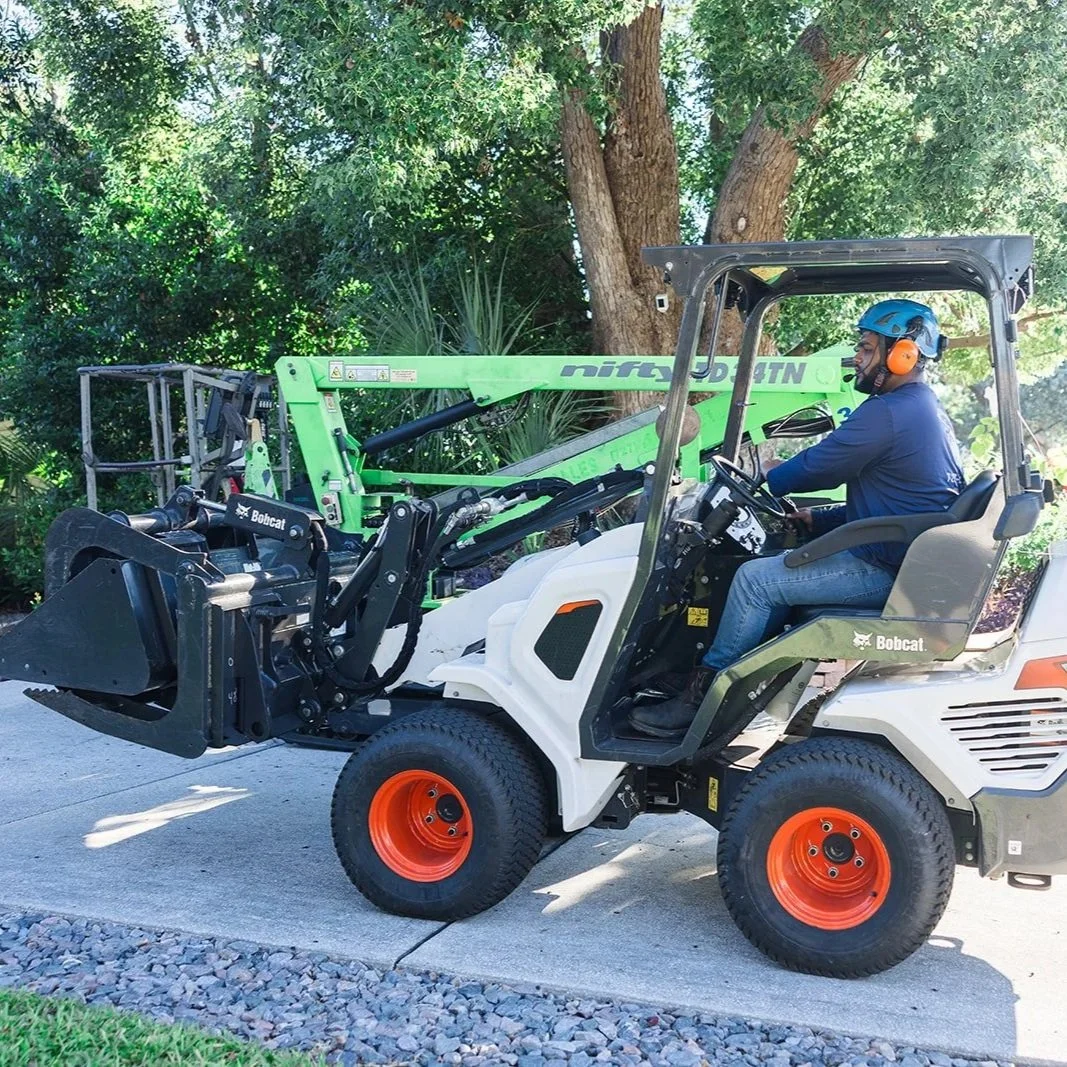
There’s timing to consider, the type of tree, its age, its environment, and even how it’s growing in relation to your property.
Why Tree Trimming Matters More Than You Think
Tree trimming isn’t just about keeping branches in check. It’s about maintaining structural integrity, preventing disease, and improving overall growth. Trees that are trimmed regularly tend to live longer, grow stronger, and stay safer.
Overgrown branches can weigh down the canopy, blocking light and air from reaching inner limbs. Without proper trimming, trees may grow unevenly or develop weak points that lead to breakage during storms. Professional tree trimming corrects those imbalances by removing excess growth and shaping the structure for long-term strength.
Healthy trees don’t happen by accident. They require steady, skilled maintenance that keeps them looking natural while promoting vitality. Trimming is a small investment that pays off in a big way, resulting in fewer hazards, stronger branches, and a better-looking landscape.
Understanding Growth Cycles
Trees grow in cycles influenced by climate, soil conditions, and species. Some grow rapidly in spring and summer, while others take a more measured approach. Understanding those cycles helps professionals decide when trimming is most effective.
In general, deciduous trees benefit from trimming during their dormant period in late winter or early spring. Without leaves in the way, arborists can easily assess the structure and remove damaged or unnecessary branches. The tree then uses its spring energy to heal cleanly and grow evenly.
Evergreen species, on the other hand, prefer light trimming throughout the year. Their constant foliage requires less drastic shaping but benefits from regular touch-ups to maintain balance. Fast-growing varieties need more frequent attention to prevent them from becoming top-heavy or intrusive.
Tree Age Plays A Major Role
A young tree behaves very differently from a mature one, and their trimming schedules reflect that. Newly planted trees need shaping to guide proper development. Early trimming focuses on building strong branch structure and eliminating weak attachments before they cause problems later.
Mature trees require maintenance trimming to remove dead wood, control growth, and reduce risks. They don’t need attention as frequently as younger trees, but their larger size means the work becomes more specialized. Professional arborists consider growth patterns, branch angles, and weight distribution before trimming, protecting the tree’s health and stability.
Neglecting either stage can create future headaches. Over-trimming young trees can stunt growth, while ignoring older trees can lead to weakened branches that threaten property or safety. Regular professional evaluation keeps both growing strong.
Environmental Factors That Affect Trimming Schedules
Tree trimming isn’t one-size-fits-all because no two environments are exactly alike. Trees growing in urban areas often require more frequent maintenance than those in wide-open rural spaces. Pollution, compacted soil, and limited root zones can affect how quickly branches grow or decay.
Storm-prone areas may also call for extra trimming before and after severe weather. Heavy winds can expose structural weaknesses or create dangerous overhangs. Professionals assess which limbs pose risks and remove them before damage occurs.
Dry climates influence trimming differently from humid ones. In arid regions, trees may grow more slowly and require less frequent cuts. In moist environments, faster growth and fungal concerns necessitate more frequent maintenance. Knowing how local conditions affect growth helps professionals determine a schedule that matches the landscape’s unique needs.
Common Tree Trimming Timelines
Although every tree has its own rhythm, there are general guidelines that professionals follow to maintain its health and aesthetics. Most trees benefit from trimming every three to five years. However, some species with faster growth rates may need it every one to two years.
Flowering and fruit-bearing trees typically need more attention to promote consistent production. Oaks and maples may thrive with less frequent trimming, while species like willows or poplars require more regular care due to their rapid expansion.
Professional arborists base trimming schedules on observation rather than the calendar. They monitor growth, check for disease, and adjust frequency as the tree matures. The goal is always to trim just enough to encourage health without stressing the tree.
Why Over-Trimming Does More Harm Than Good
Too much of a good thing can be disastrous for trees. Over-trimming weakens the canopy, leaving it vulnerable to sun damage and water loss. Removing too many branches also reduces the tree’s capacity to produce energy through photosynthesis, which can stunt growth or even lead to decline.
Professional trimming follows a rule of moderation. Only a portion of the canopy is removed at once, allowing the tree to maintain balance. Arborists use specialized tools to make clean, strategic cuts that promote healing rather than leave open wounds. Each cut serves a purpose, whether it’s improving airflow, redirecting growth, or preventing interference with nearby structures.
Seasonal Benefits Of Trimming
Each season offers unique opportunities for effective trimming. Winter trimming allows professionals to shape trees with full visibility of the branch structure. It also lowers the risk of disease transmission, since many pathogens are dormant during cold months.
Spring trimming supports vigorous growth, especially after harsh winters that may have damaged limbs. By removing deadwood early, arborists encourage the development of healthy new shoots.
Summer trimming focuses on control. When trees are fully leafed, professionals can evaluate weight distribution and make minor adjustments to maintain symmetry. It’s also the best time to remove low-hanging or obstructive branches that interfere with property access or sightlines.
Fall trimming, while less common, prepares trees for winter by removing weak branches that could snap under heavy snow or ice. Professionals approach autumn trimming with caution, keeping cuts minimal to avoid stressing the tree before dormancy.
Signs That It’s Time To Trim
Trees have ways of showing when they need a trim, even without a calendar. Overgrown branches that block sunlight, scrape against buildings, or hang too low over walkways are obvious clues. Dead limbs or branches without leaves during the growing season also signal trouble.
Uneven growth or an unbalanced canopy can indicate that the tree is expending energy inefficiently. In some cases, pest damage, cracking, or visible decay may indicate internal issues that require professional attention.
Arborists are trained to read these signs early, preventing problems before they escalate. Routine inspection, even when trimming isn’t immediately needed, helps maintain awareness of each tree’s condition.
Safety And Liability Considerations
Tree trimming plays a critical role in keeping properties safe. Overgrown branches can damage roofs, vehicles, or power lines during storms. They can also obstruct traffic visibility or fall unexpectedly, posing a hazard to people and property.
Professional tree trimming prevents those risks by identifying and addressing weak points before failure occurs. Crews use specialized climbing equipment, aerial lifts, and safety protocols to perform precise cuts at any height. It’s not just about appearance; it’s about minimizing potential liability while safeguarding both trees and structures.
Why Professional Tree Trimming Is Worth It
Hiring professionals to manage tree trimming provides more than convenience. Certified arborists bring expertise in plant biology, environmental science, and advanced cutting techniques. They evaluate species-specific needs and tailor their approach to each tree’s health, structure, and environment.
Professionals also identify early warning signs of disease or pest infestations, allowing problems to be addressed before they become costly. They understand how to shape trees for both beauty and function, promoting balanced growth while protecting your property.
DIY trimming may seem tempting, but improper cuts can permanently damage a tree. Professionals know how to achieve results that are both safe and sustainable. Their work supports the entire landscape, not just the branches being trimmed.
The Hidden Perks Of Regular Maintenance
Routine tree trimming offers long-term rewards that go beyond healthy canopies. Trees trimmed on schedule often live longer, produce stronger roots, and maintain more vibrant foliage. Their shade remains balanced, keeping lawns greener and cooling surrounding areas naturally.
Regular trimming also improves curb appeal. Trees with clean lines and proportional growth make any property look more polished. For commercial spaces, that impression reflects care and attention to detail. For homeowners, it adds pride and value to the property.
Maintained trees are also less likely to need emergency removal after storms. They withstand wind, rain, and snow more effectively because their structure remains balanced and stable. In short, a little trimming today prevents a lot of trouble tomorrow.
Creating The Perfect Schedule For Your Landscape
No two landscapes are identical, so trimming schedules should never be copied from a neighbor or online chart. A professional tree care company evaluates each property individually, considering soil type, sunlight exposure, and species variety before recommending a maintenance plan.
Regular inspections often accompany these schedules, allowing adjustments as trees mature or environmental conditions shift. The key is to stay consistent without overdoing it. Healthy trimming habits keep trees vibrant without putting unnecessary stress on their natural growth patterns.
Smart trimming schedules also support sustainability. By keeping trees healthy, they continue to absorb carbon dioxide, provide shade, and stabilize soil, all vital roles in maintaining an environmentally balanced landscape.
The True Surprise About Trimming Frequency
The surprising truth about tree trimming is that it’s less about how often and more about when and why. Some trees thrive on annual touch-ups, while others only need major trimming every few years. The frequency depends on professional observation, environmental factors, and the overall goals for the property.
Tree trimming is part science, part art, and all about understanding the needs of living structures that share your space. When handled by skilled professionals, trimming doesn’t just maintain your trees; it enhances the entire environment around them, season after season.
