
How Crown Lifting Brings Light Back to Your Yard
Yards with large trees often have that perfect mix of shade and serenity, but sometimes, the balance tips a little too far into the shadows. Overgrown lower branches can block sunlight, limit airflow, and make outdoor spaces feel smaller than they are. Crown lifting provides a practical and professional solution that restores both light and space while maintaining the health and attractiveness of trees. It’s one of the most effective tree care techniques for improving visibility, safety, and overall landscape harmony without compromising the natural beauty of your trees.
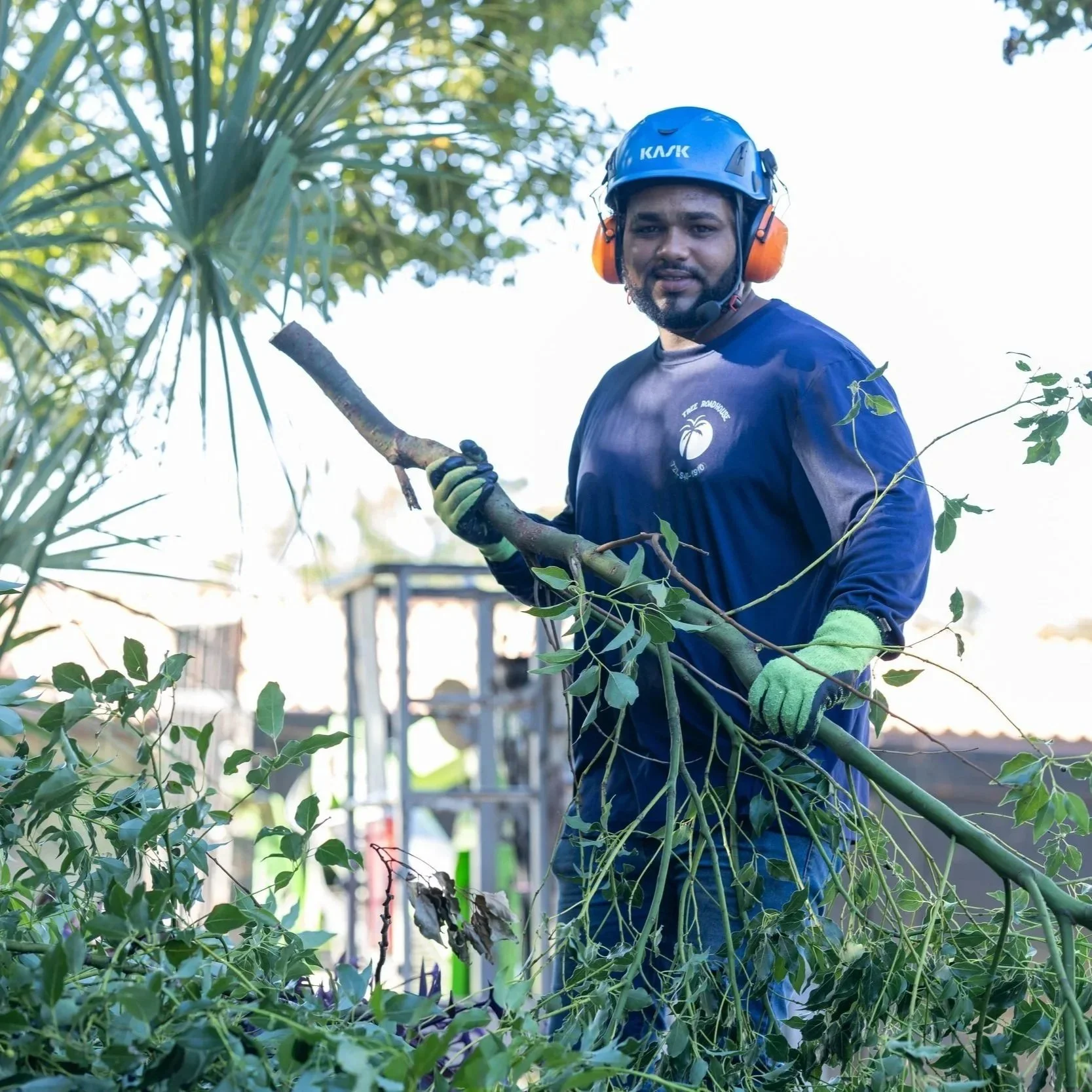
Overgrown lower branches can block sunlight, limit airflow, and make outdoor spaces feel smaller than they are.
Understanding Crown Lifting
Crown lifting involves selectively removing the lower branches of a tree’s canopy to increase the clearance between the ground and the lowest limbs. The goal is not to change the shape of the tree dramatically but to open up space underneath while maintaining balance and health. Professionals use this method to create more headroom for walkways, driveways, or lawns, allowing more sunlight to reach the ground below.
When done correctly, crown lifting enhances both appearance and functionality. Trees look taller, more graceful, and less bulky. Landscapes suddenly feel brighter and more spacious. It’s a minor adjustment that can completely transform the atmosphere of a yard.
Why Crown Lifting Is About More Than Looks
While the aesthetic improvements are immediate, crown lifting serves several important purposes beyond appearance. Overhanging branches can block light to grass and garden beds, leaving patches of thin, weak growth underneath. They can also obstruct views, walkways, or signs, making areas less safe or inviting.
By removing select lower branches, professionals improve light penetration and air circulation, which helps both the tree and the surrounding vegetation thrive. The extra clearance also makes it easier to maintain lawns, install landscaping features, or simply enjoy the space without worrying about low branches brushing against heads or vehicles.
Crown lifting also contributes to tree health. Branches near the ground often receive less sunlight and airflow, making them more prone to disease or decay. Removing them allows the tree to redirect its energy toward stronger, more productive upper branches.
The Right Way To Lift A Crown
Crown lifting may sound straightforward, but it takes training and skill to perform correctly. Cutting too many branches too quickly can stress the tree or make it unstable. Professionals follow a careful process to maintain structural integrity and natural shape.
The first step is assessment. Arborists evaluate which branches are suitable for removal, focusing on those that are dead, damaged, or too close to the ground. They also consider species, age, and growth patterns. Some trees handle pruning better than others, and over-lifting can weaken certain varieties.
The cuts are made gradually, often over several seasons, for mature trees. That approach prevents shock and allows the tree to adapt to its new form. The result is a canopy that looks balanced, stable, and healthy from every angle.
Safety First In Every Step
Crown lifting requires more than pruning shears and a ladder. Professional tree services use specialized climbing gear, harnesses, and saws to perform the work safely. Each cut is planned with precision to prevent tearing or overexposure, which can invite pests or disease.
Safety extends beyond the tree itself. Crews create clear zones around the work area, keeping people, pets, and property out of range. Lower branches can be heavier than they appear, and their fall must be controlled carefully. Experienced professionals use ropes or rigging systems to lower each section without damage.
By hiring trained arborists, property owners eliminate the risks associated with DIY attempts. Proper crown lifting protects both the tree and the environment around it.
Letting The Light In
One of the most satisfying results of crown lifting is the return of sunlight to the yard. Suddenly, lawns that struggled to stay green begin to flourish. Flowers bloom brighter, and shaded areas become usable again. Increased light exposure also helps prevent moss buildup and improves overall air quality around the property.
The renewed brightness isn’t just visual; it changes how the space feels. A yard once dominated by shadows becomes open and inviting. Morning light filters through the upper branches, while gentle afternoon rays create a comfortable glow. It’s an instant transformation that adds both warmth and visual depth to the landscape.
Improving Accessibility And Functionality
Crown lifting is especially valuable in spaces where trees interact with structures or walkways. Low-hanging branches over sidewalks or driveways can obstruct visibility and cause safety hazards. Over time, they can also scrape against vehicles or roofs, leading to damage.
By lifting the crown, professionals restore clearance and safety without sacrificing shade or aesthetics. Pedestrians walk comfortably underneath, vehicles pass without interference, and maintenance crews can mow or trim without struggling around branches. The property feels more accessible and organized, and the trees continue to frame the space beautifully.
Protecting Property And People
Overgrown branches often become a hidden hazard, especially during storms. Limbs that hang too low are more likely to snap under pressure from wind or rain. They can fall onto fences, vehicles, or even pedestrians. Crown lifting reduces those risks by removing weaker branches before they cause problems.
In areas with frequent high winds, proper crown lifting also improves aerodynamics. The reduced drag allows air to pass through more easily, decreasing the chance of uprooting. It’s a simple but highly effective way to maintain both safety and stability during severe weather.
The Science Behind Balanced Growth
A successful crown lift doesn’t just look good; it supports the tree’s natural growth processes. When lower branches are removed, the tree adjusts by strengthening its upper limbs and improving nutrient flow. That balance creates a stronger canopy capable of handling seasonal stress.
Professionals are careful to maintain proportional weight distribution during the process. Cutting too high or removing too many branches at once can make a tree top-heavy or unstable. Arborists rely on knowledge of tree anatomy and years of experience to guide how much to remove and where. Each cut contributes to a healthier, longer-lasting structure.
Crown Lifting As Preventive Care
Many property owners wait until branches become a nuisance before scheduling trimming, but crown lifting is most effective as a proactive measure. Regular lifting sessions keep trees well-shaped and prevent future overgrowth. When trees are consistently maintained, they remain stronger and require fewer large-scale interventions later.
Preventative crown lifting also allows professionals to spot early signs of disease or structural issues. Identifying those problems during routine maintenance often saves money and prevents emergencies. In short, consistent care keeps trees safer, healthier, and more resilient against environmental stress.
Why Crown Lifting Is A Sustainable Practice
Crown lifting contributes to the sustainability of urban and suburban landscapes. Keeping mature trees healthy and stable extends their lifespan and reduces the need for removals. Healthy trees support local ecosystems by improving air quality, providing shade, and offering habitats for birds and beneficial insects.
Allowing more sunlight to reach the ground also supports biodiversity. Plants and grasses beneath the canopy receive the light they need to grow, creating balanced ecosystems rather than dark, patchy areas. Crown lifting encourages coexistence between trees and smaller vegetation, maintaining the natural rhythm of the landscape.
Signs It’s Time For Crown Lifting
Trees often give clear hints when it’s time to consider crown lifting. Low branches scraping vehicles, obstructing pathways, or blocking windows are obvious clues. If the grass under a tree looks sparse or discolored, it may be starved for sunlight.
Branches that hang too close to roofs or power lines also call for immediate professional attention. Beyond safety, an overgrown canopy can make a property feel smaller, darker, and less inviting. A professional assessment can confirm whether crown lifting is the right solution.
How Professionals Approach Each Project
Every crown-lifting project begins with a detailed site inspection. Professionals assess tree species, location, and purpose within the landscape. They identify which branches can be safely removed and determine the appropriate clearance.
Once the plan is set, cuts are made strategically to protect both the bark and internal structure. Crews dispose of debris efficiently and inspect surrounding vegetation to confirm that light and airflow have improved. A good arborist leaves behind not just a lifted canopy but a healthier, more harmonious outdoor environment.
Why Professional Expertise Matters
Crown lifting may look like simple trimming, but it’s a delicate balance between aesthetics and biology. Professionals understand how to protect the tree’s vascular system, prevent overexposure, and maintain its natural symmetry. They know how to anticipate regrowth patterns and shape the canopy for long-term stability.
Improper lifting can cause bark scarring, stress, or lead to unbalanced growth, compromising safety. Certified arborists follow industry standards designed to protect both the tree and the property. Their training and experience turn what might look like a routine job into a carefully executed art form.
Crown lifting is one of those subtle yet transformative services that blends science, design, and environmental care. By removing just the right branches, professionals bring sunlight back to shaded yards, improve safety and visibility, and keep trees thriving for years to come. It’s the quiet kind of work that lets nature take center stage again—only now, with a little more light to show it off.
