
Hedge Trimming Hacks to Keep Yards Looking Sharp
A well-trimmed hedge can transform an ordinary yard into a masterpiece of structure and style. It defines boundaries, frames gardens, and gives properties a clean, intentional look that says, “someone cares about this space.” But behind every sharp hedge is a professional touch and a few clever tricks that make the difference between overgrown chaos and crisp perfection. Professional hedge trimming is as much about timing and technique as it is about artistry, and it’s what keeps landscapes looking their best year-round.
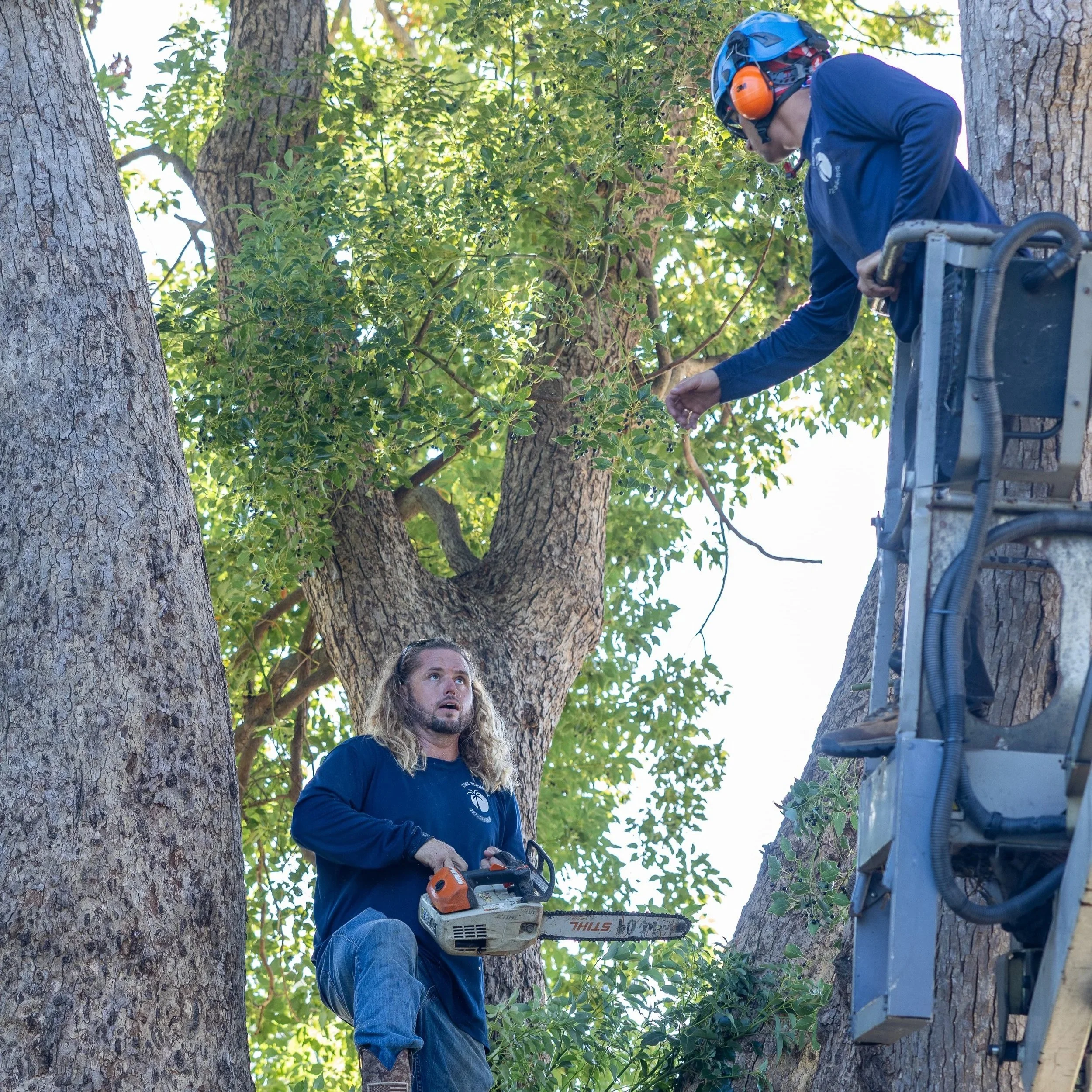
Professional hedge trimming is as much about timing and technique as it is about artistry, and it’s what keeps landscapes looking their best year-round.
Understanding The Art Of Hedge Trimming
Hedge trimming is more than just cutting back branches. It’s a deliberate process of shaping, balancing, and maintaining plants to keep them healthy and visually appealing. A professional approach to hedge trimming begins with assessing species type, growth rate, and condition before any tool touches a leaf. Each plant has its rhythm, and trimming at the right time encourages strong regrowth while preserving structure.
Professionals understand that hedge trimming is not about forcing plants into uniform shapes but about guiding natural growth. Healthy hedges have density, symmetry, and clean lines that complement their surroundings. Precision trimming enhances airflow, allows sunlight to reach interior branches, and prevents disease caused by trapped moisture or overcrowding.
Timing Is Everything
When it comes to hedge trimming, timing is everything. Professionals schedule trimming based on the plant’s growth cycle. Evergreen hedges, such as boxwood or holly, are typically trimmed in late spring or early summer, once the new growth has matured and hardened. Deciduous hedges such as privet or beech benefit from a trim after their main growth spurt but before temperatures cool.
Trimming too early can stunt growth, while waiting too long can result in plants that look uneven or woody. The goal is to strike the right balance, allowing hedges to maintain fullness while keeping their shape neat and controlled. In some cases, seasonal touch-ups throughout the year help maintain sharp lines without stressing the plants.
The Science Behind Clean Cuts
Healthy hedges depend on clean, precise cuts. Professional arborists and landscapers use sharpened shears and trimmers to avoid tearing branches, which can invite disease. Smooth cuts heal faster and reduce stress on the plant, allowing it to recover quickly and produce new, even growth.
The direction of trimming also matters. Cutting slightly upward along the sides helps maintain the hedge’s natural taper, with the base wider than the top. That shape allows sunlight to reach lower branches, keeping foliage dense from top to bottom. A hedge that’s wider at the top shades its lower sections, leading to thin, patchy areas that spoil the overall look.
Form And Function
While aesthetics are a significant part of hedge trimming, function plays an equally important role. Hedges can act as natural fences, windbreaks, or noise barriers, but only if maintained properly. Overgrown hedges lose density and allow gaps to form, compromising both privacy and protection.
Professionals use strategic trimming techniques to maintain thickness where it matters most. Instead of hacking away large sections, they thin selectively, encouraging compact, resilient growth. The result is a hedge that looks refined while still serving its intended purpose.
The Tools Behind Perfect Edges
Hedge trimming tools are an extension of a professional’s skill. The right equipment makes a noticeable difference in the quality of the finish. Manual shears enable detailed shaping and quiet precision, making them ideal for smaller or ornamental hedges. Power trimmers efficiently handle dense or tall hedges, delivering straight, even cuts across long spans.
Professionals keep their tools sharp and well-maintained to achieve crisp results. A dull blade tears foliage, leaving ragged edges that not only look sloppy but also make plants more vulnerable to pests and fungus. Routine equipment care ensures consistent performance and clean results every time.
Avoiding Common Trimming Mistakes
Many property owners underestimate how easily a hedge can be damaged by overzealous trimming. Cutting too deeply into old wood can prevent regrowth, leaving unsightly bare spots. Trimming unevenly or at the wrong angle can cause one side to thicken faster than the other, creating an imbalanced appearance that’s difficult to correct.
Professionals avoid those pitfalls by reading the plant’s growth pattern and trimming in stages. They focus on light, gradual shaping rather than aggressive cutting. Each pass refines the hedge’s form without compromising vitality, and the final product looks effortlessly natural.
Promoting Healthy Regrowth
Healthy regrowth begins with proper trimming technique. Professionals trim just above leaf nodes or branching points to stimulate new shoots. They also pay attention to sunlight exposure, since hedges that receive uneven light often develop one lush side and one thin side. Strategic trimming redistributes growth and balances density.
Trimming also encourages hedges to grow more compactly, filling out gaps and preventing legginess. When done consistently, those minor adjustments add up to a hedge that maintains its shape and vibrancy season after season.
Creating Clean Lines And Angles
Perfectly shaped hedges don’t happen by chance. Professionals use visual reference points, string lines, or laser guides to maintain straight edges and smooth curves. Whether the hedge follows a fence line or frames a garden bed, clean geometry adds instant polish to any property.
Angles are adjusted depending on the desired style. Formal hedges often feature sharp corners and flat tops, whereas informal designs tend to follow softer, rounded lines. Both approaches require accuracy, patience, and a steady touch, qualities that separate professional work from casual clipping.
When Hedges Outgrow Their Boundaries
Even the most carefully maintained hedge can eventually overstep beyond its boundaries if it isn´t regularly managed. Overgrown hedges block sunlight, crowd pathways, and strain nearby plants. Once that happens, simple trimming may not be enough. Professionals know how to perform restorative pruning, gradually reducing height and width without causing shock or stress to the plant.
Rejuvenation trimming targets the removal of aged wood, promoting the growth of fresh, vigorous shoots from the base. It’s a slow process that revitalizes the hedge over time. The result is a healthier, more manageable plant that once again blends in with its surroundings.
Safety And Accessibility Considerations
Professional hedge trimming places safety first. Tall or uneven hedges require the use of ladders, lifts, or specialized equipment to reach the upper sections safely. Professionals assess the terrain, check for hidden obstacles such as wiring or irrigation systems, and secure the work area before trimming begins.
They also trim in a way that maintains accessibility. Driveways, walkways, and sightlines are cleared of overhanging branches to improve visibility and convenience. The finished hedge not only looks sharp but also functions seamlessly within the property’s layout.
Weather’s Role In Hedge Health
Weather plays a subtle but powerful role in hedge maintenance. Hot, dry conditions can stress plants that have been recently trimmed, while excessive rain may promote fungal growth. Professionals time their trimming to coincide with favorable weather, allowing cuts to heal naturally without added stress.
By understanding local climate patterns, professionals tailor trimming schedules for each region and species. They know how to read seasonal cues and adjust accordingly, keeping hedges healthy even during unpredictable conditions.
Enhancing Property Appeal
A neatly trimmed hedge has an undeniable impact on curb appeal. It gives the impression of care, order, and sophistication. Professionally maintained hedges frame the property beautifully, softening hard edges and adding texture to outdoor spaces.
For commercial spaces, clean hedges create a welcoming atmosphere for clients and visitors. For homeowners, they add value and make outdoor areas more enjoyable. The difference between an average yard and a standout one often lies in how the hedges are trimmed.
Eco-Friendly Practices In Modern Hedge Trimming
Modern hedge trimming is moving toward more eco-conscious practices. Professionals minimize waste by composting clippings or turning them into mulch. They also use electric or battery-powered equipment to reduce noise and emissions, promoting cleaner, quieter maintenance.
Careful trimming also supports biodiversity. Maintaining hedges without overcutting provides shelter for birds and beneficial insects while keeping plants healthy. Professionals find the balance between aesthetics and ecology, creating landscapes that look beautiful and function sustainably.
Why Professional Expertise Matters
Precision hedge trimming is part science, part art. Professionals understand how each species responds to cutting, how sunlight influences regrowth, and how to strike a balance between aesthetics and plant health. Their training allows them to anticipate problems before they arise, from pest issues to growth irregularities.
They also recognize that every hedge serves a purpose, some for privacy, others for beauty, and many for both. Each requires a slightly different approach to trimming, and experience makes all the difference in getting that right. Professional service means fewer mistakes, faster recovery, and consistently sharp results.
Long-Term Benefits Of Consistent Trimming
Routine hedge trimming isn’t just about visual appeal; it’s about preservation. Consistent maintenance keeps plants dense, reduces disease risk, and strengthens their natural structure. Well-managed hedges are better equipped to handle weather changes and require fewer corrective services over time.
With every trim, professionals not only shape the hedge but also enhance the overall aesthetic of the property. The long-term payoff is a landscape that always looks fresh, balanced, and thoughtfully maintained. Healthy, clean-cut hedges elevate everything around them, from garden paths to architectural features, making them the quiet heroes of curb appeal.
Professional hedge trimming brings together precision, timing, and artistry in ways that transform a landscape completely. It’s not just about keeping plants in line; it’s about giving them form, strength, and purpose. When done right, hedge trimming makes every yard look sharp, feel vibrant, and reflect the care that only skilled hands can provide.
