
Handling Fallen Trees: From Driveways to Backyard Cleanups
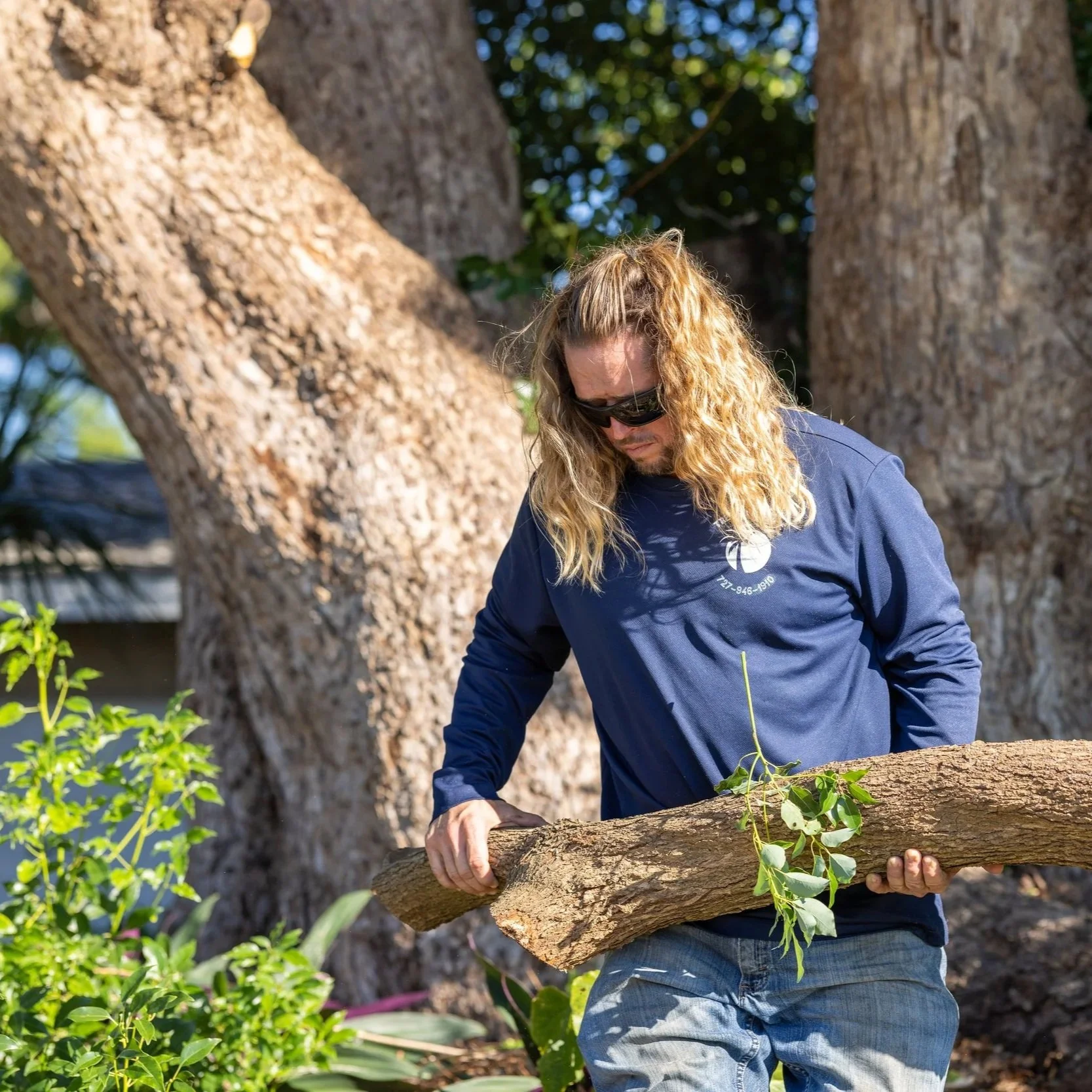
Fallen tree cleanup looks simple at first glance, but every job comes with hidden dangers.
A fallen tree often creates more chaos than homeowners expect. One minute, the yard looks peaceful, and the next minute, a heavy trunk stretches across the driveway like it decided to take a nap in the wrong spot. Backyard trees sometimes fall silently during the night, leaving homeowners stunned when they open the door in the morning. Professional tree crews respond to these surprises every day, offering safe and efficient solutions when fallen trees block driveways, crush fences, damage roofs, or scatter debris across the yard.
Fallen tree cleanup looks simple at first glance, but every job comes with hidden dangers. Heavy limbs shift unexpectedly. Torn roots leave the ground unstable. Leaning sections become unpredictable when cut. Professionals handle these challenges with training, teamwork, and equipment designed for hazardous cleanup tasks. Driveways, backyards, walkways, and garden spaces all require different strategies for safely removing fallen trees. A well-coordinated cleanup restores order quickly and prevents further damage to the property.
Why Fallen Trees Create Unsafe Conditions
A fallen tree rarely lands neatly. Branches twist around one another, trunks rest under tension, and limbs extend in unpredictable directions. A tree might look settled, but internal stresses from the fall create dangerous pressure points. The moment someone cuts into a branch, the pressure can suddenly release, causing the tree to roll, snap, or shift. Professional crews read these tension patterns before making the first cut.
A tree that lands across a driveway often pins itself against the ground, creating compression points that make cutting difficult. Backyard trees may land against fences, sheds, or outdoor living spaces, placing uneven weight on structures not designed to support heavy loads. Professionals evaluate these conditions first and decide how to remove the tree without causing secondary damage.
Many homeowners do not realize how unstable a fallen tree becomes. Soil disturbance around roots can weaken the nearby ground. Hanging limbs may still be attached at stress points. Professional removal prevents injuries and protects surrounding property.
Why Professional Cleanup Matters for Driveway Obstructions
A fallen tree across a driveway causes immediate disruption. Vehicles cannot move, daily routines stall, and homeowners feel pressured to remove the obstruction quickly. Trying to cut a driveway tree without proper tools often causes the trunk to roll unexpectedly, damaging vehicles or injuring the person cutting.
Professional crews assess how the tree settled, identify limbs under tension, and use controlled cutting techniques to dismantle the tree safely. Ropes, pulleys, and wedges help crews manage the tree’s weight as they break it into smaller sections. Once removed, the team clears debris, sweeps the driveway, and checks surrounding areas for lingering hazards.
Fast, safe driveway cleanup restores access to vehicles and prevents long-term surface damage. Driveway surfaces often crack when struck under pressure by shifting limbs. Removing the tree with skilled precision significantly reduces those risks.
How Professionals Handle Fallen Trees in Backyards
Backyard fallen trees behave differently depending on where they land. Some trees flatten garden beds or shrubs. Others collapse onto patio structures, fences, or lawn furniture. Larger trees may even crush sheds or outdoor storage units. Professional crews examine every point of contact to determine how the weight is distributed across the yard.
When a tree lands on a fence, crews secure leaning sections before cutting. Removing branches in the wrong order could cause the fence to collapse. When a tree crushes a shed or leans against a play structure, professionals stabilize the area before dismantling the tree piece by piece.
Backyard terrain also influences removal strategies. Slopes create rolling risks. Wet soil causes heavy sections to sink or shift. Tight spaces around landscaping require careful cutting to preserve plants or hardscaping. Professional services adapt their approach to protect the yard from unnecessary damage.
Why Fallen Trees Sometimes Cause Hidden Structural Damage
A fallen tree can impact the property in ways that are not immediately visible. Roof damage might hide beneath shingles. Fence posts may loosen underground. Patio pavers can shift under pressure. Professionals investigate these potential issues as part of the cleanup service.
When a tree strikes a roof, even lightly, the crew may recommend further inspection by roofing specialists to confirm water tightness. When a fence breaks under the tree’s weight, contractors sometimes discover that the force impacted deeper structural components. Professional evaluation helps the homeowner understand what repairs may be necessary after the tree is removed.
Tree roots also cause hidden problems. A fallen tree may pull up soil, lifting pipes, damaging irrigation lines, or disrupting drainage patterns. Professionals help identify these issues so homeowners can address them promptly.
How Weather Influences Fallen Tree Cleanup
Weather conditions contribute significantly to cleanup challenges. Rain saturates soil, making heavy tree sections sink deeper into the ground. Snow adds weight and complicates stability. Wind causes branches to sway even after falling, creating unpredictable movements during cutting.
Professional crews work efficiently in varied conditions, using techniques that protect the property and the workers. They evaluate weather risks before beginning cleanup, choosing equipment and strategies that match the situation. A wet, muddy backyard may require additional stabilization. A windy day might call for more secure rigging.
Handling fallen trees safely means adjusting to the environment as much as to the tree itself.
Equipment Professionals Use for Fallen Tree Cleanup
Professional crews rely on specialized tools to safely remove fallen trees. Chainsaws of different sizes help crews cut through thick sections. Rigging tools control limb movement. Wood chippers reduce branches into manageable mulch. Stump grinders prepare the yard for replanting or restoration once the tree is completely removed.
Cranes or bucket trucks may assist when the tree falls against a building or becomes wedged in a precarious position. These machines lift heavy sections away from structures without causing further damage. The right equipment reduces cleanup time and increases safety throughout the process.
Why Quick Removal Matters After a Tree Falls
A fallen tree can block emergency access, restrict movement, and create tripping hazards. Delays in removal increase the risk of further damage because every shift in weight changes how the tree interacts with the ground or nearby structures. Fast cleanup prevents additional complications such as:
Spreading pests that are attracted to decaying wood
Damage from trapped moisture under heavy branches
Pressure cracks on concrete surfaces
Unstable footing around lifted roots
Professional cleanup crews work quickly without sacrificing safety, restoring the yard to a functional state as soon as possible.
Preparing the Property Before the Cleanup Begins
Before removing a fallen tree, professionals walk the homeowner through necessary preparations. Vehicles may need to be moved away from work areas. Backyard gates should be unlocked for equipment access. Pets should stay indoors during the cleanup. The crew will identify safe zones so homeowners know where not to stand while work is underway.
Clear communication helps the crew operate without interruptions and helps the homeowner feel confident about the process. Preparation also reduces the time needed for a complete cleanup, allowing crews to work efficiently and safely.
Environmental Considerations During Cleanups
Fallen trees do not always need to go straight into disposal. Many homeowners appreciate options that repurpose tree material. Wood chips can be used for garden beds. Larger trunk sections can be cut for firewood. Some pieces may even be suitable for small woodworking projects.
Professional crews offer recycling options when possible, helping homeowners make environmentally friendly choices. Cleanup methods also protect the surrounding landscape by minimizing soil disruption and preserving as many plants as possible.
When a Fallen Tree Requires Emergency Services
Some situations call for immediate action. A fallen tree blocking a driveway during a storm, blocking a roadway, or leaning dangerously against a home requires emergency response. Crews prioritize these high-risk cases to restore access and reduce hazards quickly.
Emergency cleanup jobs require advanced stabilization techniques because the tree’s movement may be unpredictable. Crews may secure the trunk with ropes, temporarily brace leaning sections, or remove dangerous branches first before tackling the main trunk.
Driving Home the Importance of Professional Cleanup
Professional crews bring expertise, tools, and problem-solving strategies that allow them to handle fallen trees safely, no matter where they land. Homeowners regain access to driveways, reclaim backyard spaces, and restore safety across the property. Fallen trees may surprise homeowners, but professionals remove the stress by managing the cleanup from start to finish.
