
Emergency Tree Removal: What to Do Before and After a Storm
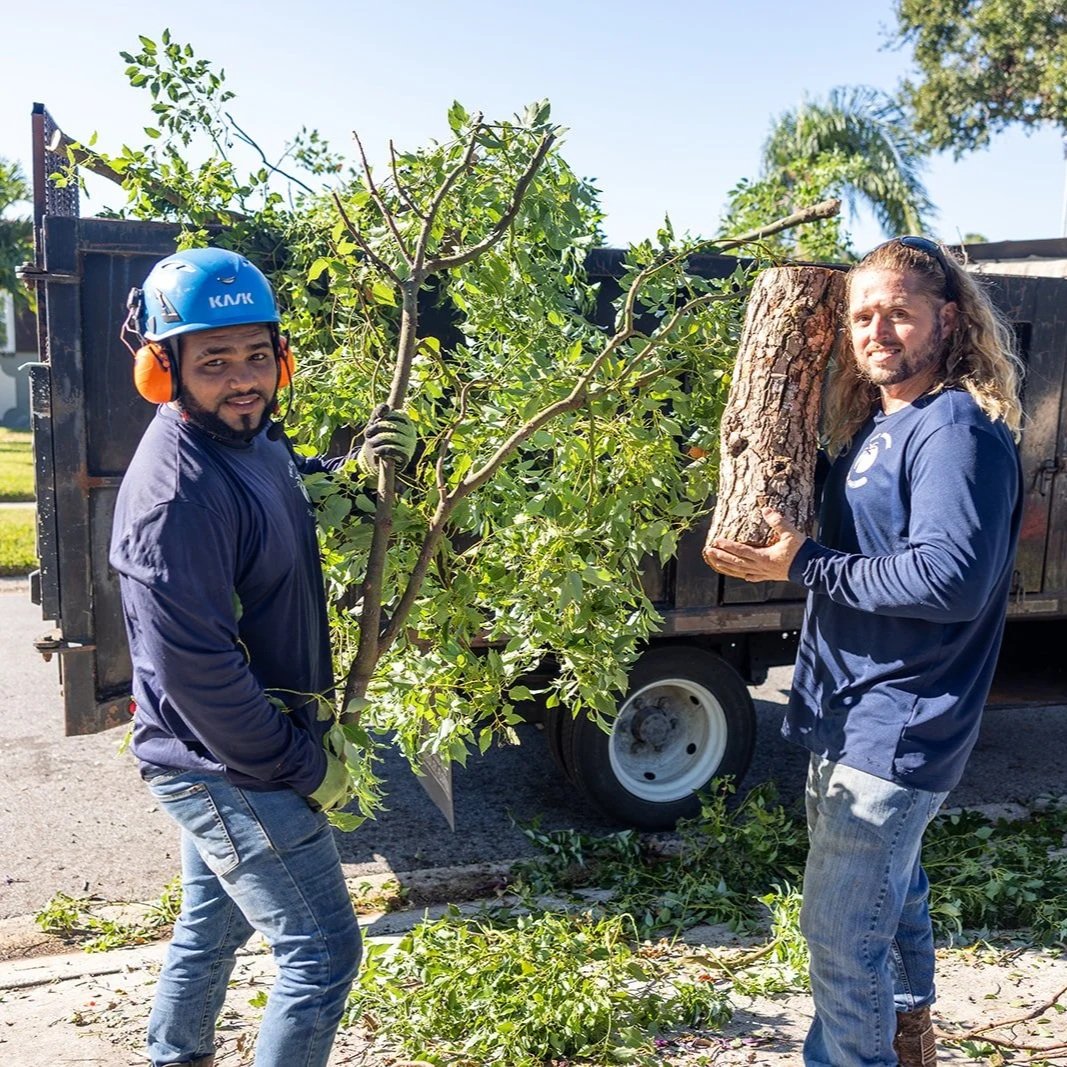
Emergency tree removal is not just about clearing debris; it's about protecting people, property, and peace of mind.
When a storm rolls through, trees can quickly turn from backyard beauties into dangerous projectiles. Branches snap, roots loosen, and what was once shade and serenity becomes a safety hazard waiting to happen. Emergency tree removal is not just about clearing debris; it's about protecting people, property, and peace of mind. Storm damage creates unpredictable hazards that require professional handling from experienced tree specialists who know how to respond safely and efficiently.
Preparing For Storm Season
Storm season has a way of exposing weak spots in the landscape. A healthy-looking tree can hide internal decay, shallow roots, or structural instability that only reveals itself when the wind starts howling. Preparing before severe weather hits can minimize the need for emergency tree removal later. Professionals often recommend pre-storm inspections to identify hazardous trees, weak limbs, or overcrowded canopies that could cause problems.
Tree trimming before the season begins can make a significant difference. By thinning out dense branches and removing deadwood, tree experts help reduce wind resistance, giving trees a better chance to withstand gusts. Proper pruning also allows wind to pass through the canopy instead of treating it like a giant sail.
It's also wise to check for leaning trees or those with visible cracks in the trunk. Even a slight leaning after heavy rain can be a red flag that roots are compromised. Early intervention by a tree removal professional can prevent a bigger emergency. Property owners often underestimate how quickly a hazardous tree can shift from concerning to catastrophic.
Understanding The Dangers Of Storm-Damaged Trees
A storm-damaged tree is unpredictable. A branch may look stable while hanging precariously above a roofline, or a trunk may appear upright even as its roots begin to lift from soggy ground. These hidden dangers are why professional emergency tree removal services exist. Specialists are trained to recognize the warning signs that the average homeowner might miss.
Broken limbs and split trunks can shift without warning. Heavy branches trapped in other limbs may suddenly release and fall. Trying to handle these situations without proper equipment is a recipe for injury and property damage. Professionals rely on cranes, rigging systems, and safety gear to carefully control each cut and movement.
Electrical hazards also add another layer of danger. Fallen trees often bring down power lines or lean against them, creating an invisible risk of electrocution. A professional tree service works with utility companies to ensure the area is safe before any removal begins. It's not worth guessing whether a power line is live or not.
How Professionals Respond To Emergency Tree Removal Calls
When the storm passes and the damage is clear, tree removal specialists move quickly. Emergency calls are prioritized based on safety risks. Trees that have fallen on homes, vehicles, or across driveways take precedence. The process begins with an on-site assessment to determine the safest way to remove debris without causing more harm.
Using specialized equipment, professionals start by stabilizing the area. If the tree is resting on a structure, they use ropes and cranes to prevent sudden shifts while cutting. Sections are removed in manageable pieces, starting from the top and working down to reduce pressure on damaged areas.
Cleanup is also a key part of emergency tree removal. Branches, logs, and debris are hauled away, leaving the property safe and accessible. Many professional services also offer stump grinding to fully remove any remnants of the fallen tree. It's a complete restoration effort that goes beyond simply cutting wood.
Common Mistakes Homeowners Make After Storm Damage
After a storm, adrenaline and urgency can lead to risky decisions. Some homeowners rush to clear debris themselves, not realizing how unstable a tree can be. Climbing ladders or using chainsaws without training is one of the most common post-storm mistakes. Professional tree experts spend years learning how to manage tension and weight distribution that can change with each cut.
Another mistake is ignoring partial damage. A tree that looks mostly intact may still pose a risk. Cracks, splits, or internal rot can cause failure days or weeks later. Professionals use diagnostic tools to check structural integrity and determine whether a tree can be saved or if removal is necessary.
Waiting too long to address storm damage can also lead to additional issues. A leaning tree may worsen as the soil shifts or rain continues. Even a minor delay can turn a manageable removal into a larger, more expensive emergency. Prompt action from a licensed service is always the smarter route.
Protecting Property During Storm Cleanup
Storm cleanup can be messy, especially when heavy branches have fallen across driveways, fences, or roofs. Professionals take precautions to prevent further property damage during the removal process. Tarps are often used to protect structures, and heavy machinery is strategically positioned to limit lawn impact.
Tree experts plan every step, from cutting angles to fall direction, to minimize risk. If the storm knocked out power or damaged outdoor lighting, crews often use generators or headlights to continue working safely after dark. Some emergencies can't wait until morning, especially if a tree is blocking access to a home or creating a hazard for passing vehicles.
Insurance coverage also plays a role in storm cleanup. Many homeowners' policies cover the cost of emergency tree removal if the fallen tree caused structural damage. A reputable service can document the incident and provide detailed reports for insurance claims, helping smooth the recovery process.
The Importance Of Post-Storm Tree Inspections
Once the immediate crisis has passed, a thorough post-storm inspection helps prevent future emergencies. Professional arborists evaluate surrounding trees for signs of stress or damage that may not be obvious right away. Roots may be exposed, soil may have shifted, or branches may have weakened under the weight of water and wind.
A good inspection involves more than just a visual check. Specialists look for subtle signs such as bark splits, fungal growth, and changes in canopy shape. These clues often indicate internal decay or root instability that could make a tree more vulnerable in the next storm. Regular inspections can keep the landscape safer year-round.
Pruning and maintenance are usually recommended after a major storm. Removing damaged or dead branches allows the tree to recover more effectively. Healthy trees are naturally more resistant to future weather events, so proactive care always pays off.
Why Emergency Tree Removal Should Be Left To Professionals
Emergency tree removal might look straightforward from the ground, but it's one of the most complex and dangerous tasks in the industry. Professionals combine experience, specialized equipment, and training to handle situations that would overwhelm most people. They know how to evaluate risk, create a plan, and remove hazardous trees with precision.
Every removal is unique. Factors such as tree size, proximity to structures, and soil condition influence the strategy. Professionals have access to cranes, lifts, and rigging systems that make even large removals controlled and safe. Beyond safety, they also consider environmental impact, preserving nearby vegetation whenever possible.
Attempting a DIY approach can turn a bad situation worse. Without the right gear or knowledge, even a simple cut can send a heavy limb crashing in the wrong direction. Professional teams work with efficiency and care, restoring safety to the property while avoiding further damage.
Preventive Tree Care For The Future
Emergency situations often reveal where preventive maintenance fell short. A proactive approach to tree care helps reduce storm damage risk in the future. Regular trimming, health assessments, and professional monitoring go a long way toward keeping trees stable.
Tree care experts recommend having trees inspected at least once a year, especially those near structures or power lines. They identify potential problems early, such as root damage, pest infestations, or disease. Early action can prevent costly emergencies down the road.
Mulching and proper watering also contribute to stronger root systems. Healthy soil supports better anchoring, making trees less likely to topple during high winds. Combined with periodic pruning, these practices promote stability and longevity.
When To Call For Emergency Tree Services
Knowing when to call for professional help is critical. After a storm, any tree that's leaning, cracked, or hanging over a structure should be treated as an immediate hazard. Downed trees blocking access or interfering with power lines require emergency response from trained crews.
Professionals are available around the clock to respond to these situations. Their quick action prevents secondary damage, such as roof leaks, foundation cracks, or fence collapse. They also help restore order to properties dealing with chaos and clutter after severe weather.
Many companies provide emergency hotlines for exactly these scenarios. A fast call to a trusted tree service can mean the difference between minor inconvenience and serious property damage.
Rebuilding Confidence After The Storm
Storm recovery is about more than clearing debris. It's about restoring a sense of safety and normalcy to homes and neighborhoods. Professional emergency tree removal plays a central role in that recovery. By removing hazardous trees, clearing debris, and assessing potential future risks, tree specialists help communities bounce back stronger.
Every storm leaves a story behind, but with professional help, it doesn't have to end in disaster. Taking preventive steps before the season, acting quickly when damage occurs, and scheduling post-storm inspections all contribute to a safer, healthier landscape.
Storms are unpredictable, but professional emergency tree removal services make the aftermath manageable. Whether it's a single fallen tree or widespread damage, trained experts restore balance, safety, and peace of mind—one branch at a time.
