
Dead Wooding 101: Why Ignoring Dead Branches Can Cost You
Every tree tells a story, but not every branch deserves to stay on the page. Dead branches might look harmless, blending into the canopy like quiet background characters, but they can quickly turn into the villains of the landscape. Deadwooding is the professional practice of removing lifeless limbs before they cause trouble. It's one of the simplest yet most overlooked forms of tree care, and ignoring it can cost homeowners more than they expect.
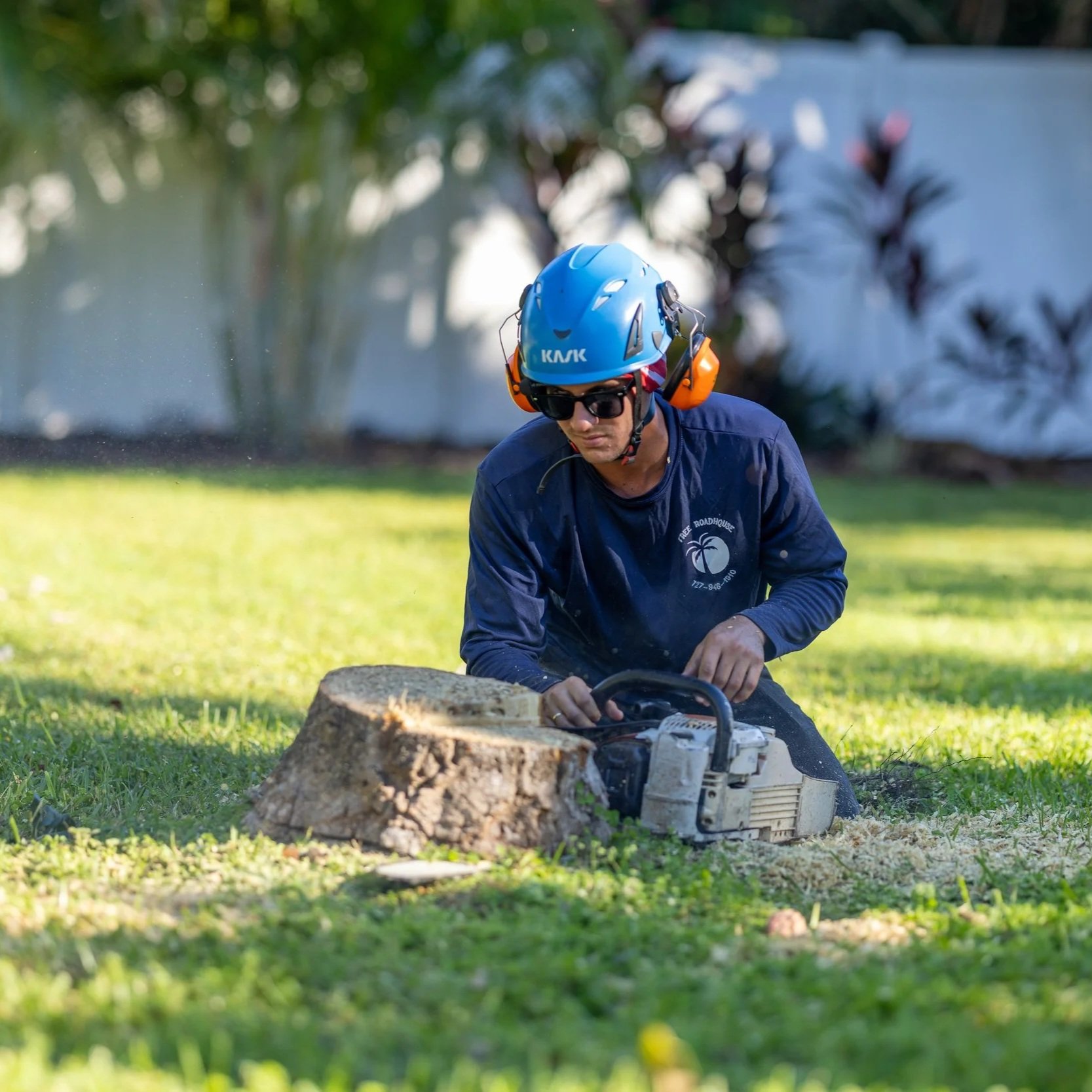
Deadwooding is the professional practice of removing lifeless limbs before they cause trouble.
Understanding Dead Wooding
Dead wooding refers to the process of removing dead, dying, or decaying branches from a tree's crown. Those branches no longer serve a purpose in the tree's health. They've stopped carrying nutrients and instead become liabilities that weaken structure, invite pests, and pose safety risks.
Professional arborists use deadwooding to maintain the integrity of a tree without altering its overall shape. It's a delicate operation that focuses on removing what's no longer beneficial, allowing the healthy parts to thrive. Think of it as giving a tree a health check and a haircut in one careful session.
Why Dead Branches Are More Dangerous Than They Look
Dead branches may appear stable, but they're unpredictable. Over time, internal decay makes them brittle, and a strong gust of wind or a heavy storm can bring them down suddenly. Those falling limbs can damage roofs, cars, fences, or anything unlucky enough to be beneath them.
Beyond the obvious safety hazard, dead wood also creates hidden problems. As wood decays, it attracts insects, fungi, and disease that can spread into healthy parts of the tree. A single neglected branch can become a gateway for infestations that threaten the entire canopy. By the time symptoms appear, the damage may already be widespread.
How Dead Branches Affect Tree Health
Dead wood doesn't just hang there quietly. It steals space, traps moisture, and blocks sunlight that healthy branches need. The longer dead wood remains, the more it disrupts airflow and light distribution within the canopy. That imbalance weakens growth and slows photosynthesis, gradually draining the tree's vitality.
Removing dead branches allows the tree to redirect its energy where it's needed most. Without those decaying sections weighing it down, the tree can focus on developing vigorous new shoots, fuller foliage, and more resilient limbs. Dead wooding essentially unclogs the tree's system, restoring its natural rhythm.
Recognizing When Dead Wooding Is Needed
Trees naturally shed branches as part of their life cycle, but when decay outpaces growth, it's time to call in professionals. Some signs of dead wood include brittle limbs that snap easily, missing bark, or branches with no buds or leaves during the growing season.
Dead branches can also appear darker or hollow when compared to living wood. Professionals identify those sections during inspections and use specialized methods to remove them safely without damaging surrounding tissue. Regular assessments are the most effective way to identify problems before they escalate.
The Safety Factor Few Homeowners Consider
Dead wooding isn't just about aesthetics or health—it's about safety. Unstable limbs can fall without warning, especially during high winds, snow, or heavy rain. Those accidents often happen faster than anyone can react. Regular dead wood removal minimizes that risk and creates safer outdoor spaces for families, guests, and property.
Professionals also recognize how dead wood affects balance. A tree with uneven weight distribution is more likely to lean or split under pressure. By removing compromised sections, arborists stabilize the structure and reduce stress on the trunk and major limbs.
Why Dead Wooding Is Not A DIY Job
Climbing into a tree with a saw may sound simple, but dead wooding is far from casual yard work. Identifying which branches are truly dead requires experience, and removing them safely demands precision. Dead branches are often unpredictable, breaking suddenly or falling in unexpected directions.
Professional arborists use proper climbing gear, cutting tools, and safety systems to handle those risks. They also know how to trim in ways that promote healing rather than leaving open wounds that invite disease. The process might look quick from the ground, but every cut is deliberate and informed by training.
The Chain Reaction Of Neglect
Neglecting dead wood can set off a chain reaction of damage. Decay spreads inward, attracting pests such as termites, carpenter ants, and beetles. As those insects multiply, they move from dead sections into healthy wood, undermining the structure from within. The longer they feed, the harder it becomes to save the tree.
Rot and fungal infections follow close behind. Once those pathogens establish themselves, they can hollow out entire limbs or compromise the trunk. By the time branches start dropping, the problem may already require removal or extensive treatment. Dead wooding stops that progression before it begins.
Curb Appeal And Aesthetics
Dead wood ruins the visual appeal of otherwise beautiful trees. Sparse patches, gray limbs, and broken twigs create an impression of neglect. Over time, the tree's silhouette loses its symmetry, and the canopy starts to look uneven or scraggly.
Professional deadwooding restores a cleaner, more refined shape. Without decaying branches, the tree looks fuller and healthier, complementing the property rather than dragging it down. The improved appearance often surprises homeowners, revealing the significant difference that regular maintenance can make.
Supporting Long-Term Tree Growth
Deadwood also plays a key role in long-term development. By removing decayed or dying sections, professionals encourage healthy regrowth in areas where the tree can support it. Fresh shoots replace old, lifeless limbs, leading to a stronger, better-balanced canopy.
The process also improves nutrient distribution throughout the tree. Without wasted energy flowing into dead areas, resources go where they'll have the most impact. Over time, the result is a sturdier structure, thicker foliage, and greater resilience to environmental stress.
When To Schedule Dead Wooding
The ideal timing for deadwooding depends on the tree species and local conditions, but it can typically be performed year-round. Many arborists prefer to work during late winter or early spring when trees are dormant and the structure is easier to evaluate. For species that shed naturally or are prone to decay, annual or biannual inspections are recommended.
Immediate removal is necessary whenever dead branches threaten safety or show signs of advanced decay. Waiting too long increases the risk of breakage or the spread of disease. Professionals assess each tree individually to determine when and how to perform dead wooding most effectively.
How Dead Wooding Improves Light And Airflow
Removing dead branches creates space for light and air to move through the canopy. That improved circulation benefits not only the tree but also the surrounding plants and lawns. More sunlight reaches the ground, encouraging grass and flowers to grow.
Better airflow also reduces humidity, which discourages mold and mildew buildup. It's a subtle change that creates a healthier, more balanced ecosystem in the entire yard. Healthy trees breathe easier, and the entire landscape feels fresher as a result.
Protecting Nearby Structures
Dead branches that hang over roofs, driveways, or fences pose hidden risks. Even small limbs can cause damage when they fall unexpectedly. Wind, snow, or heavy rain can bring down sections that appeared stable just days before.
Dead wooding eliminates those threats by removing hazards before they have the chance to cause harm. Professionals know how to assess the reach and potential fall paths of dead limbs, trimming safely without damaging property or surrounding vegetation. Preventive care saves far more in repairs than it costs in service.
Environmental Benefits Of Dead Wooding
While dead wood serves a purpose in natural forests, residential and commercial environments are different. Dead branches near buildings or walkways can't decompose naturally without becoming hazards. Removing them responsibly helps maintain a balance between safety and sustainability.
Professionals often repurpose removed wood for mulch or compost, returning nutrients to the soil in a controlled, beneficial way. Deadwood not only protects trees but also supports eco-friendly landscaping practices that enrich the surrounding environment.
Why Regular Maintenance Matters
Dead wooding isn't a one-time task. Trees continue to grow, age, and shed over time. Regular maintenance keeps pace with those changes, catching problems early before they require larger interventions. Scheduled inspections allow professionals to monitor progress, detect decay, and make precise adjustments as needed.
Consistent care extends a tree's lifespan and maintains its value as part of the property. Trees that are regularly deadheaded age gracefully, staying strong and visually appealing well into maturity. It's one of the simplest ways to protect a landscape investment for the long haul.
The Professional Difference
Professionals bring more to deadwooding than tools and ladders. They bring an understanding of tree biology, safety, and aesthetics that turns routine maintenance into an art form. Each branch is evaluated for structural importance, and every cut is made with the tree's long-term health in mind.
They also recognize that every property is unique. Trees near buildings, pools, or public areas require tailored approaches to balance safety and appearance. The goal is always to keep the tree healthy, stable, and beautiful without unnecessary disruption to its natural form.
Why Ignoring Dead Wooding Costs More In The End
Ignoring dead wood might save time now, but it almost always costs more later. Fallen branches lead to property damage, pest infestations, or even complete tree removal. The expense of repairing a roof or replacing a mature tree far outweighs the cost of routine maintenance.
Deadwooding protects that investment by addressing small issues before they escalate. It's the professional difference between reactive and proactive care. When trees are maintained with precision and attention, they reward property owners with shade, beauty, and stability for years to come.
Dead wooding may not always steal the spotlight in tree care, but its impact is undeniable. Removing dead branches strengthens the living structure, promotes healthy growth, and protects the surrounding area. In the world of professional tree maintenance, it's not just cleanup, it's preservation at its finest.
