
Crown Shaping Tricks That Turn Trees into Natural Art
Every tree has its own character, from sprawling oaks with wide-reaching limbs to elegant birches that dance in the wind. The art of crown shaping brings out that individuality while creating structure, balance, and visual harmony. For professionals, shaping isn’t just trimming branches; it’s sculpting living masterpieces. Crown shaping turns ordinary trees into the highlight of a landscape, balancing beauty with vitality in a way that only trained hands can achieve.
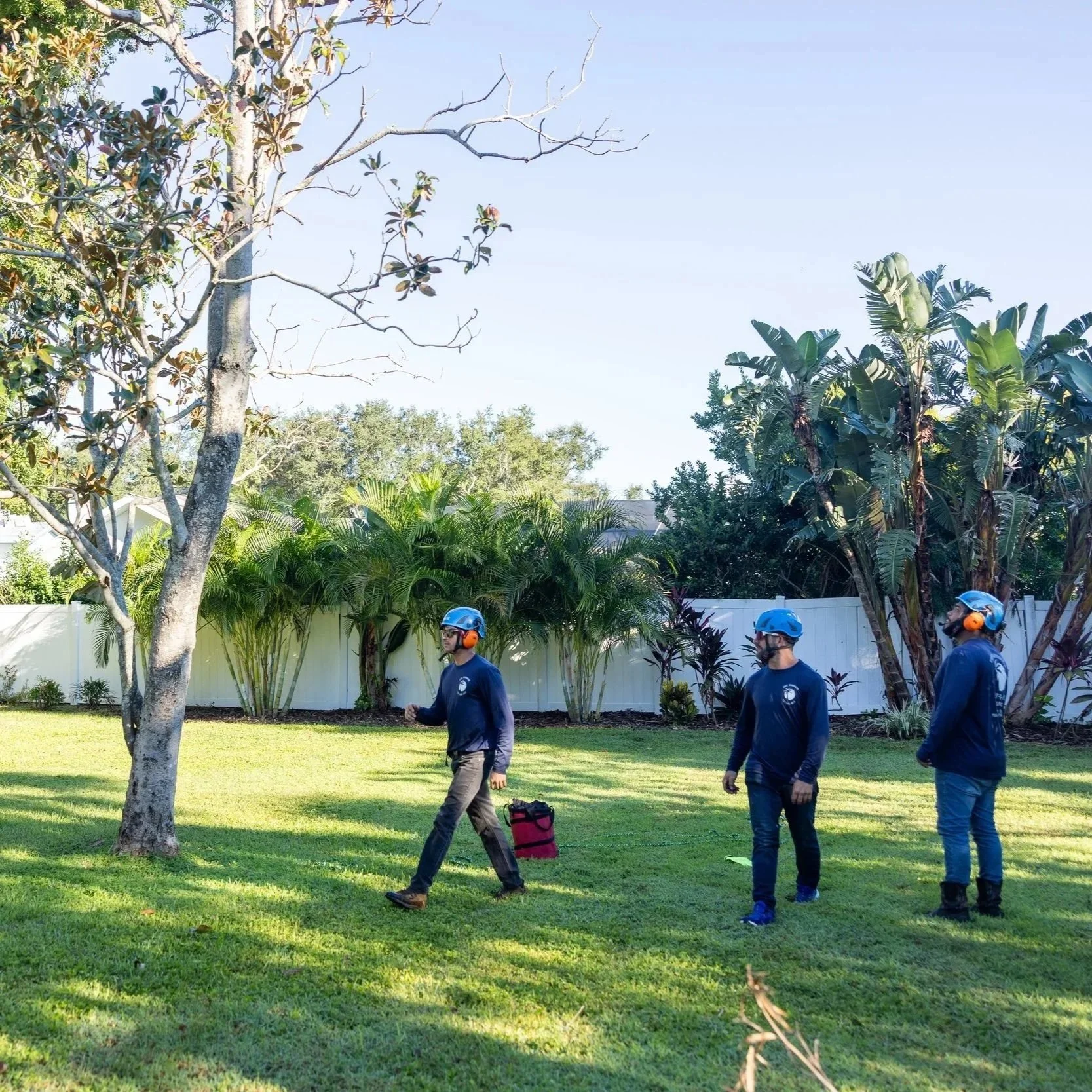
Crown shaping turns ordinary trees into the highlight of a landscape, balancing beauty with vitality in a way that only trained hands can achieve.
Understanding Crown Shaping
Crown shaping is the process of selectively trimming a tree’s canopy to refine its form, improve structure, and promote healthy growth. The goal isn’t to force trees into unnatural shapes but to highlight their natural symmetry and proportions. Professionals analyze how each branch interacts with light, space, and neighboring structures before making a single cut.
Shaping helps maintain a tree’s strength while guiding growth in the right direction. It improves stability, airflow, and sunlight distribution throughout the canopy. In short, crown shaping is a combination of science, strategy, and artistry.
Why Crown Shaping Matters
Crown shaping serves multiple purposes beyond appearance. Structurally, it prevents branches from growing too heavy or uneven, which can lead to splitting or instability. It also promotes healthy circulation within the canopy, allowing light and air to reach interior branches and the ground below.
A well-shaped tree supports stronger growth, withstands harsh weather better, and adds significant value to any property. Whether it’s a single ornamental tree or a line of street-side maples, shaping keeps them looking vibrant and well-balanced.
Finding The Tree’s Natural Form
Every tree species has a natural growth pattern, and professionals use that as their guide. Oaks, elms, and maples tend to have broad, rounded crowns, while evergreens grow in more pyramidal or columnar forms. Shaping that respects these patterns produces results that look authentic and timeless.
Professionals start by examining the tree’s framework, the main trunk, primary limbs, and branching angles. The primary goal is to enhance the existing design, rather than reinvent it. Subtle shaping highlights the best features of each tree, allowing its personality to shine through while improving strength and proportion.
Balancing Beauty And Health
Crown shaping isn’t just about looks. Every cut affects how a tree grows and heals. Professionals make clean, precise cuts just outside the branch collar, protecting the tree’s natural defense system. Removing too much at once can shock the tree, while uneven trimming can create weak points.
The balance lies in removing just enough to guide growth without stressing the tree. Each branch removed serves a purpose, whether it’s improving structure, correcting imbalance, or enhancing sunlight exposure. The result is a tree that looks beautiful because it’s healthy, not just well-groomed.
Shaping Young Trees For Lifelong Strength
Early shaping sets the foundation for future health and well-being. Professional arborists use formative pruning on young trees to establish strong central leaders and evenly spaced branches. That early structure supports stability as the tree matures, reducing the need for heavy corrective pruning later.
Formative shaping also helps prevent structural issues, such as crossing branches or co-dominant stems, which can lead to splitting as the tree ages. By teaching trees how to grow correctly from the start, professionals build strong frameworks that last for decades.
Techniques That Define Crown Shaping
Crown shaping combines several specialized trimming techniques to achieve balance and precision. Crown thinning removes select interior branches to improve light and air flow. Crown lifting raises the canopy by removing lower limbs for better clearance and visibility. Crown reduction shortens the overall height and spread while maintaining form and stability.
Professionals often employ a combination of these techniques, depending on the tree’s species, age, and environment. The art lies in knowing which combination enhances the tree’s beauty without compromising its health. Every decision is guided by experience and a deep understanding of tree biology.
The Role Of Light And Space
Light plays a crucial role in shaping decisions. Trees that receive uneven sunlight often develop lopsided crowns, with branches stretching toward the brightest areas. Shaping redistributes that growth, encouraging a more symmetrical structure.
Creating space between branches also improves air circulation, which reduces the risk of fungal infections and pest infestations. The result is a canopy that breathes better, stays cleaner, and supports steady, even growth. It’s not just about how the tree looks from the outside but how efficiently it functions from within.
Why Crown Shaping Is Not Just Trimming
Trimming and shaping may use similar tools, but they serve very different purposes. Trimming often focuses on removing overgrowth or hazards, while shaping is about design and refinement. Professionals take a strategic approach, evaluating the entire canopy instead of targeting random branches.
Each shaping cut contributes to a larger visual and structural goal. The process requires foresight, as it involves understanding how each adjustment will impact future growth. It’s a slow, deliberate practice that transforms trees over time rather than in a single session.
Timing Makes A Difference
Timing is key to successful crown shaping. Professionals typically shape trees during the dormant season when energy reserves are substantial and the risk of disease is lower. For certain flowering or fruit-bearing trees, shaping after the bloom cycle preserves next year’s buds.
Seasonal timing affects how well the tree recovers and how quickly new growth emerges. Professionals consider climate, species, and local conditions to schedule shaping at the most advantageous time of year.
Shaping As A Safety Measure
Beyond aesthetics, crown shaping supports protection. Overgrown or unbalanced trees can create hazards by interfering with power lines, blocking views, or shedding weak limbs during storms. Regular shaping helps spot and correct those risks early.
By maintaining proper spacing and structure, arborists keep canopies light, balanced, and strong. That attention reduces unnecessary property damage and makes outdoor spaces safer for everyone.
Preserving Tree Longevity
Crown shaping extends a tree’s lifespan by reducing structural stress and preventing decay. Branches that grow too close together or rub against each other can create wounds, allowing moisture and pests to collect. Shaping removes those problem areas before they cause lasting harm.
Healthy trees are better equipped to resist disease, recover from pruning, and adapt to changing weather conditions. Professional crown shaping encourages steady, controlled growth that supports longevity and resilience.
Designing With Purpose
Crown shaping is as much about landscape design as it is about tree health. A well-shaped tree can frame a view, cast the right amount of shade, or complement architectural lines. Professionals consider how each tree fits within the broader landscape, shaping with intention rather than routine.
Symmetry and spacing matter, but so does personality. Some trees benefit from a soft, flowing outline, while others look best with clean, defined structure. The trick lies in shaping with sensitivity, respecting nature’s design while refining it for human enjoyment.
Common Mistakes Avoided By Professionals
Many mistakes happen when shaping is attempted without training. Over-trimming, uneven cuts, and ignoring growth patterns are among the most common. These errors can weaken a tree’s core or ruin its natural shape.
Professionals use a measured approach, trimming incrementally over time and allowing the tree to adjust. They know how much to remove safely and where to make each cut for ideal healing. Their goal is always to work with the tree, not against it.
Why Crown Shaping Requires Experience
True crown shaping is a specialized skill that blends science with artistry. It requires understanding how trees respond to stress, how branches carry weight, and how growth patterns develop over time.
Professionals rely on both technical knowledge and insight gained from years of practice. They can see the potential within a canopy and bring it to life through thoughtful shaping. The result is not just maintenance but craftsmanship, a living sculpture that evolves with the landscape.
Crown Shaping And Curb Appeal
A properly shaped tree instantly boosts curb appeal. It adds definition, balance, and visual cohesion to the property. Well-maintained crowns draw the eye upward, creating a sense of elegance and order.
In residential and commercial settings, canopies shaping demonstrates care and professionalism. A landscape with beautifully sculpted trees feels intentional and welcoming, making a strong impression on visitors and clients.
Crown Shaping As An Ongoing Relationship
Tree shaping isn’t a one-time service but a continuous relationship between the arborist and the tree. As the tree grows, its shape naturally shifts. Periodic shaping keeps it aligned with design goals and structural safety.
Professionals follow-up changes in growth rate, crown density, and limb direction, making minor adjustments as needed. That consistency generates trees that mature beautifully, maintaining form and function year after year.
The Art Of The Perfect Balance
Crown shaping depends on harmony, balancing form and function, nature and design, health and aesthetics. Professionals treat each tree as a unique artwork, guided by the principle that elegance and strength can coexist.
Through thoughtful shaping, trees evolve into living sculptures that define the landscape without dominating it. The artistry lies not in imposing control, but in revealing the potential that is already within. A shaped tree becomes more than a backdrop; it becomes a masterpiece of nature’s design, brought to life by skilled, professional hands.
