
Complete Crown Care: The Balance Between Beauty and Strength
Tree crowns do more than frame the skyline; they define a landscape's personality. From the way sunlight filters through branches to the silhouette they cast at dusk, the crown tells the story of a tree's health, structure, and age. Professional crown care combines science and artistry to maintain that balance between beauty and strength. The goal is to create a canopy that's both visually appealing and structurally sound, allowing trees to thrive for years while complementing the surrounding property.
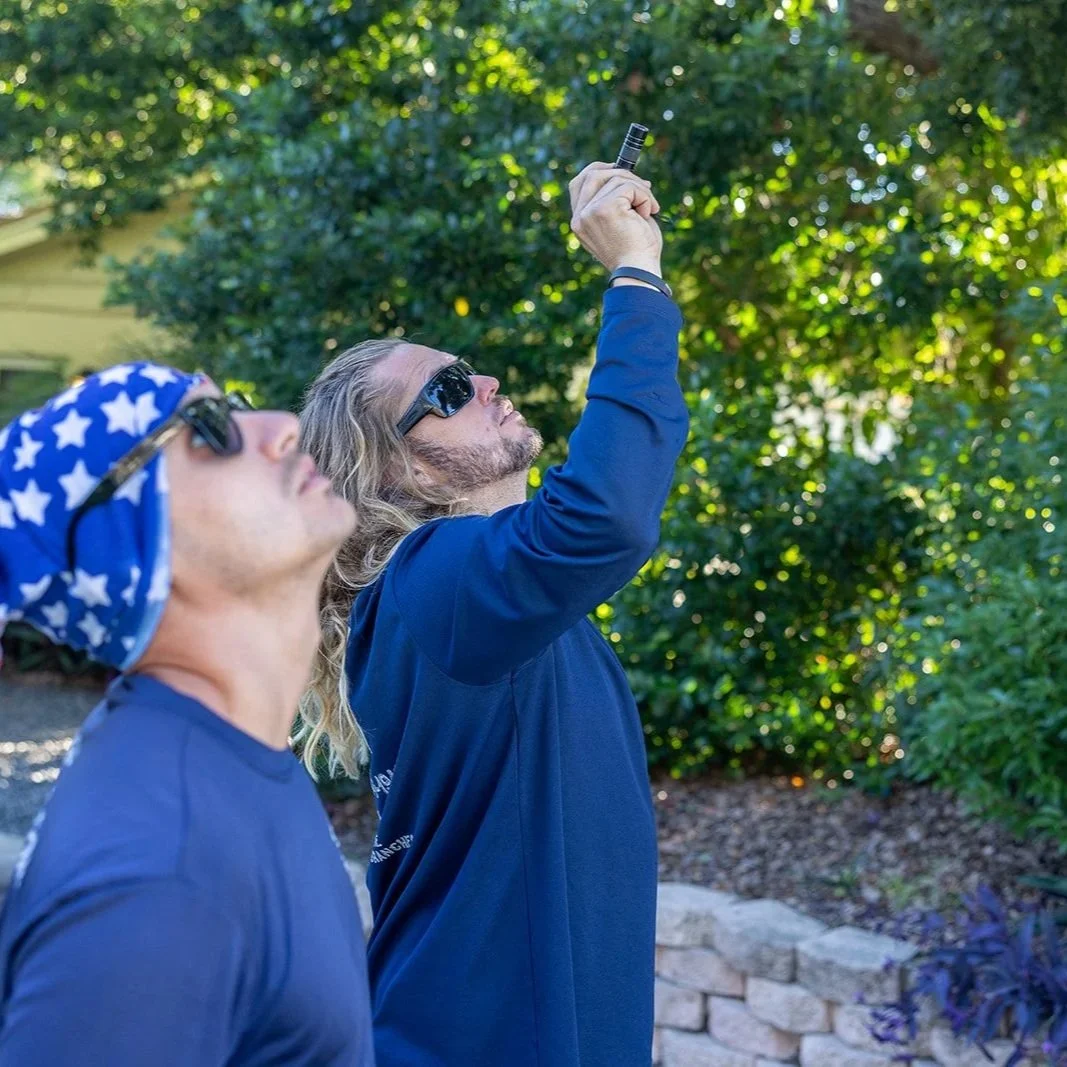
Professional crown care combines science and artistry to maintain that balance between beauty and strength.
Understanding The Role Of The Crown
The crown is the powerhouse of every tree. It houses the leaves that capture sunlight, drive photosynthesis, and regulate moisture. A healthy crown also shields the trunk from harsh weather and balances weight distribution across the entire structure. When a tree is overgrown or uneven, its energy flow becomes strained, leading to weak limbs, poor growth, and potential hazards.
Professional arborists understand how crown structure influences both aesthetics and safety. They study branch growth patterns, spacing, and symmetry to identify imbalances that might stress the tree. By carefully reshaping the canopy, they restore the natural flow of energy from the roots to the leaves. A well-maintained crown not only looks beautiful but also supports stronger, more resilient growth.
The Art Of Crown Thinning
Crown thinning is one of the most precise techniques in professional tree care. It involves selectively removing interior branches to reduce density without altering the tree's overall shape. Thinning allows more light and air to circulate through the canopy, reducing the risk of disease and encouraging healthier leaf development.
The process requires a trained eye. Arborists identify branches that cross, compete, or rub against each other, which can cause wounds and invite decay. By removing the right ones, they relieve weight on key limbs and improve balance throughout the structure.
Crown thinning is especially important for species prone to dense growth, such as live oaks and maples. Without it, heavy canopies can catch wind like sails during storms, increasing the risk of branch breakage. A thinned crown sways more naturally, protecting both the tree and nearby structures.
Crown Raising For Clearance And Light
Crown raising focuses on lifting the lower branches to improve clearance and visibility. It's often used when branches obstruct walkways, driveways, or views. The goal is to open the space beneath the canopy while keeping the tree's shape intact.
Professionals strategically remove lower limbs, maintaining proper branch spacing and proportion. Removing too many lower limbs too quickly can weaken the tree or cause stress. Arborists calculate how much of the crown can be safely raised based on the tree's age, species, and health.
Raising the crown can also improve light penetration to lawns and gardens below. More sunlight encourages grass and smaller plants to flourish, creating a healthier landscape overall. The result is a cleaner, more defined appearance that enhances curb appeal while maintaining the tree's balance and strength.
Crown Reduction For Structural Stability
When trees grow too tall or wide for their location, crown reduction becomes necessary. This technique reduces the canopy's overall height or spread, thereby decreasing wind resistance and preventing limb failure. Unlike topping, which cuts branches bluntly and damages growth, reduction uses selective pruning cuts that preserve the tree's natural shape and health.
Professional arborists identify suitable lateral branches to serve as new leaders and trim accordingly. The result is a smaller, more compact canopy that retains its strength and symmetry. Crown reduction is especially valuable for trees near buildings or power lines, where space is limited and safety is a priority.
Reducing the crown also helps trees recover from storm damage. By removing broken or weak branches, professionals prevent further stress and promote controlled regrowth. Over time, the canopy rebuilds evenly, forming a strong and attractive silhouette.
Crown Cleaning For Health And Safety
Crown cleaning is the foundation of all tree maintenance. It involves removing dead, dying, diseased, or broken branches that compromise health and safety. A clean crown directs the tree's energy toward healthy growth and prevents pests or fungi from spreading through decaying wood.
Professionals perform crown cleaning with precision, inspecting each branch for cracks, discoloration, or decay. They also remove water sprouts and suckers, fast-growing, weak shoots that drain energy and clutter the canopy. The result is a cleaner, more open structure that allows better airflow and reduces storm-related hazards.
Crown cleaning is crucial after harsh weather. Wind and lightning can damage branches in ways that aren't immediately visible from the ground. Regular professional inspections catch these issues early, thereby protecting both the tree and the surrounding property.
Balancing Aesthetics With Structural Strength
A well-balanced crown is both a work of art and an engineering feat. Every cut made during pruning affects how the tree grows in the future. Professionals approach crown care with an eye for proportion, always maintaining a natural, graceful outline that complements the landscape.
They consider factors such as species, growth rate, and environment before shaping the canopy. Some trees thrive with wide, open crowns, while others benefit from compact, layered structures. The goal is to highlight the tree's unique character without compromising stability.
Maintaining balance also prevents uneven weight distribution that could lead to cracking or splitting. A symmetrical canopy spreads forces evenly, allowing the tree to withstand wind and gravity more effectively. Beauty and strength are two sides of the same coin in crown management.
The Role Of Seasonal Crown Care
Timing plays a crucial role in maintaining a successful crown. Different species respond best to pruning at specific times of the year. Professionals schedule crown work based on seasonal growth cycles and local climate conditions.
Winter and early spring are ideal times for most pruning, as trees are dormant and easier to inspect. Cuts made during this period heal faster, and there's less risk of attracting pests. In contrast, light summer pruning helps manage growth and remove small defects without stressing the tree.
Seasonal care also includes monitoring for disease, pests, and storm damage. Trees that receive regular inspections stay healthier and require fewer corrective measures later. Professionals plan maintenance schedules that match each tree's unique rhythm, keeping results consistent year after year.
Dealing With Overcrowded Crowns
Overcrowding is one of the most common problems in mature trees. When too many branches compete for space, light, and nutrients, growth slows and disease risk increases. Professional crown management corrects overcrowding through selective pruning and spacing.
Arborists identify branches that inhibit airflow or create crossing points. Removing these opens the canopy and encourages even light distribution. More sunlight means better photosynthesis, stronger limbs, and fuller foliage.
Overcrowding can also affect the tree's appearance. A tangled canopy looks chaotic, hiding the natural shape of the tree. Skilled pruning restores definition, revealing the structure's graceful lines and symmetry. The transformation often makes a dramatic difference in both health and visual appeal.
Why Crown Work Requires A Professional Touch
Crown care might sound simple, but it involves an intricate understanding of tree biology. Each branch contributes to the overall balance of weight, nutrients, and energy flow. Removing the wrong one can create structural weaknesses or stress. Professionals use precise techniques that protect both short-term health and long-term growth.
They also possess the necessary tools and safety training for high canopy work. Climbing and cutting without proper gear or knowledge can be dangerous. Arborists use harnesses, ropes, and specialized saws to reach difficult spots safely while maintaining control over each cut.
Beyond technical skill, professionals bring artistic vision to their work. Every tree has its own natural style, and the goal is to enhance, not alter, that character. The result is a canopy that looks effortless yet reflects hours of thoughtful care.
Crown Rejuvenation For Aging Trees
Mature trees hold history, shade, and charm, but age often brings its own set of challenges. Over time, branches weaken, foliage thins, and internal decay may develop. Crown rejuvenation focuses on restoring vitality while preserving the tree's mature beauty.
Professionals begin with a detailed inspection to determine which limbs can be saved and which must be removed. They selectively prune to encourage new growth in key areas, thereby improving structure and airflow. Over several seasons, the tree naturally rebuilds its strength.
Rejuvenation also involves feeding and soil improvement. Nutrient treatments support recovery and promote the production of fresh leaves. For many older trees, a few seasons of careful crown care can make the difference between decline and renewed vigor.
How Complete Crown Care Benefits The Entire Landscape
Healthy crowns do more than make individual trees look good; they enhance the entire property. Balanced canopies cast even shade, protect soil moisture, and frame buildings and gardens beautifully. They also contribute to air quality and reduce energy costs by cooling nearby spaces.
When multiple trees share the same environment, consistent crown care helps maintain a cohesive landscape. Overgrown or neglected trees can overshadow smaller plants or block sunlight, throwing off the ecosystem's balance. Professional maintenance preserves harmony between all elements of the yard.
Complete crown care blends science, precision, and creativity. It strengthens the structure, maintains visual balance, and extends the lifespan of every tree. Through consistent professional attention, crowns become the perfect combination of beauty and strength, living sculptures that bring character and vitality to every property they grace.
