
Annual Tree Cabling Inspections: What Largo Homeowners Should Expect
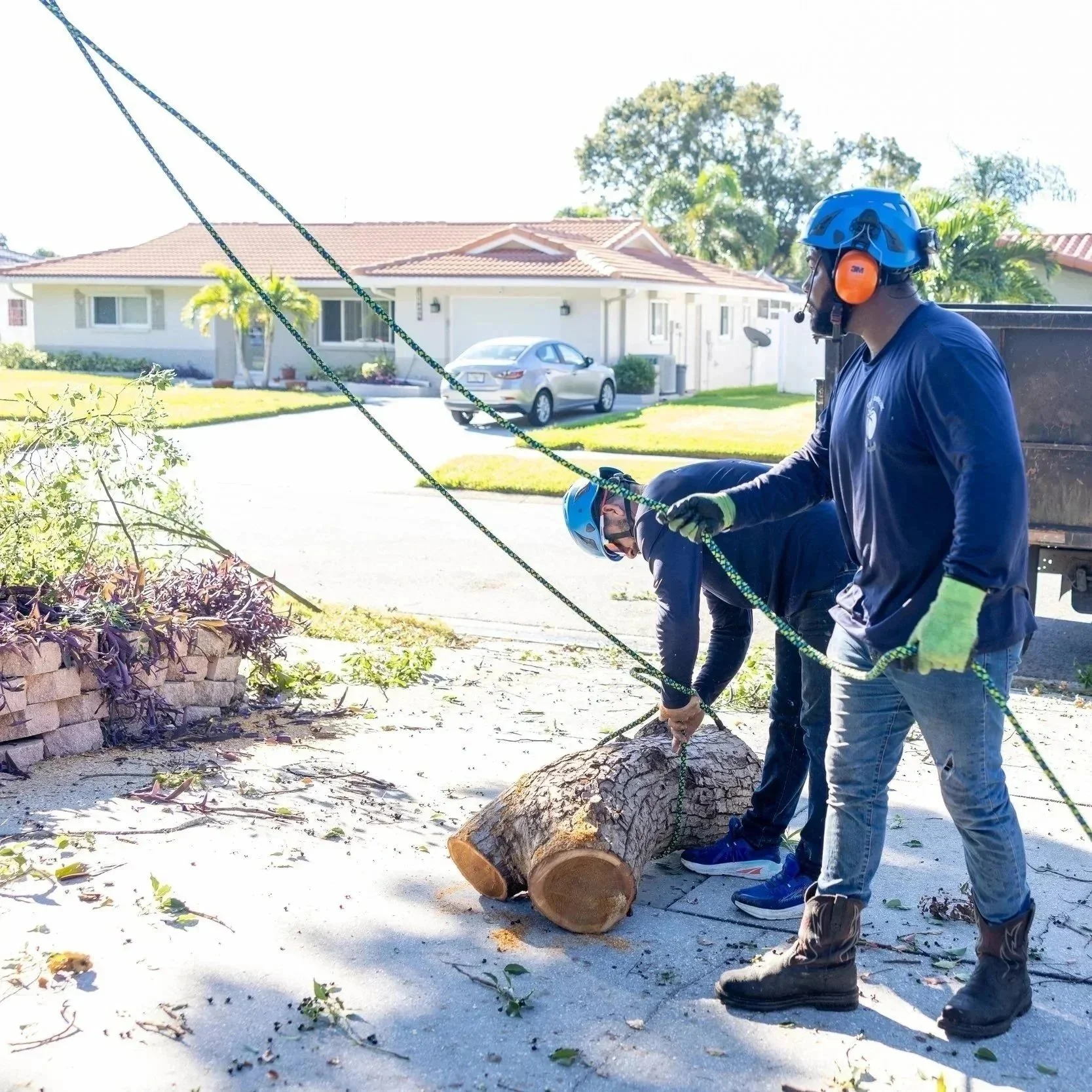
Annual tree cabling inspections help Largo homeowners maintain tree stability, prevent limb failures, and protect property during storms.
Why Annual Tree Cabling Inspections Matter in Largo
Largo’s coastal location and subtropical climate place unique and ongoing demands on mature trees. Seasonal thunderstorms, tropical systems, and the constant threat of hurricanes expose trees to repeated high winds and intense rainfall. Over time, this repeated stress compounds, repeatedly testing trunks, major limbs, and root systems. Sandy or shallow soils common throughout Largo can become saturated during prolonged rain events, weakening root stability at the exact moment when wind forces are strongest. Even trees that appear healthy from the ground can develop internal structural weaknesses when these conditions persist year after year.
Tree cabling is one of the professional methods arborists use to reduce the risk of limb or trunk failure, particularly in large or structurally compromised trees. However, cabling is not a permanent, maintenance-free solution. Trees grow, hardware ages, and forces shift as canopies expand. Annual inspections are essential to confirm that cables, attachment points, and the surrounding wood continue to function as intended. For Largo homeowners, regular inspections are a proactive step that helps reduce storm damage risk, protect property, and extend the safe lifespan of valuable trees.
What Is Tree Cabling and Why Might Your Trees Need It?
Tree cabling is a structural support technique that uses high-strength steel cables or modern synthetic systems installed between major limbs or trunks. The purpose is not to rigidly lock a tree in place, but to limit excessive movement and redistribute mechanical stress during wind events. Cabling is often combined with other techniques such as internal bracing rods or selective pruning, depending on the specific defect being addressed and the overall condition of the tree.
In residential landscapes, cabling is commonly recommended for large oaks with co-dominant stems, trees with heavy horizontal limbs extending over roofs or driveways, and trees that have sustained prior storm damage but remain otherwise healthy. It is also used for mature or heritage trees that homeowners wish to preserve for shade, aesthetics, or sentimental value. Cabling does not repair decay or eliminate defects, but it can significantly reduce risk when applied appropriately. Because cabling is not suitable for every tree, it should always follow a professional evaluation of structure, health, and site-specific risk.
Who Performs Annual Tree Cabling Inspections?
Annual tree cabling inspections should be performed by a qualified tree care professional, ideally an ISA Certified Arborist with experience in structural support systems and tree risk assessment. These professionals are trained to understand both tree biology and the engineering principles behind load distribution, material performance, and proper installation techniques. In coastal environments like Largo, this combined knowledge is essential.
Homeowners should look for professionals who are insured, experienced with cabling systems, and familiar with local tree species such as live oak, laurel oak, and pine. Knowledge of regional weather patterns and soil conditions also matters, as these factors influence how trees respond to stress. Working with a reputable arborist helps ensure thorough inspections, appropriate recommendations, and minimized liability risks.
Understanding Tree Cabling Systems Used in Largo
Traditional cabling systems use steel cables, eye bolts or lag hooks, thimbles, and other hardware to connect selected limbs or trunks. When properly designed, these components work together to limit sudden movement and reduce the likelihood of structural failure during high winds. Correct placement, sizing, and tension are critical, as poorly installed systems can either fail under load or cause unnecessary stress to the tree.
Many arborists now also use modern synthetic or dynamic cabling systems. These systems allow for more natural movement while still limiting extreme sway, which can be beneficial for certain species and growth patterns. Both static and dynamic systems are used in Largo, depending on the tree’s condition, exposure, and the level of risk beneath the canopy. Annual inspections are essential for both types, as trees grow and materials degrade regardless of system design.
Static vs. Dynamic Cabling in Largo Yards
Static cabling systems use steel components to significantly restrict movement in high-risk situations, such as large limbs over homes, driveways, or neighboring properties. Dynamic systems use flexible materials that allow controlled movement, encouraging the tree to strengthen naturally while still providing support. Arborists choose between these systems based on defect severity, tree species, growth habits, and the presence of high-value targets below.
In Largo, frequent storms and hurricane exposure often lead arborists to favor static systems in areas where failure would have serious consequences. Dynamic systems may be appropriate in lower-risk settings where some movement is acceptable. Homeowners should understand which type of system is installed, as this affects what changes are considered normal and what may indicate a problem during inspections.
How Cabling Fits into Overall Tree Risk Management
Cabling is most effective when it is part of a broader tree risk management strategy. Arborists often combine cabling with strategic pruning to reduce wind load, improve branch structure, and balance canopy weight. Soil health and root stability are also important, as a strong root system supports the effectiveness of any canopy-level support.
Annual inspections allow arborists to evaluate how the tree responds to these combined efforts over time. As conditions change, recommendations can be adjusted to maintain safety while supporting tree health. Homeowners should view cabling as an ongoing system that evolves with the tree, rather than a one-time fix.
Why Annual Inspections Are Essential for Largo Homeowners
Annual inspections are closely tied to storm preparedness in Pinellas County. Scheduling inspections before hurricane season allows arborists to identify loose hardware, worn materials, or developing cracks before high winds test them. Addressing these issues early often prevents emergency tree work and reduces the risk of property damage.
Regular inspections also provide documentation that supports responsible property management. Records of professional care can be helpful for insurance discussions and demonstrate that homeowners are taking reasonable steps to mitigate risk. Over time, this proactive approach helps preserve property value and maintain a safe, attractive landscape.
When to Schedule Your Annual Inspection
Late winter through late spring is typically the most reliable time to schedule an annual cabling inspection in Largo. Weather conditions are generally calmer, allowing arborists to work safely and thoroughly, and there is sufficient time to make adjustments before summer storms arrive. Waiting until hurricane season is underway can limit appointment availability and increase the likelihood of rushed decisions.
Certain signs warrant an inspection sooner than scheduled. These include visible sagging or shifting of limbs, slack or frayed cables, cracks near attachment points, unusual noises during wind, or noticeable changes in how the tree moves. Storms, nearby construction, or soil disturbance around roots are also good reasons to request an early inspection.
Preparing Your Property for an Inspection
Homeowners can help ensure a smooth inspection by clearing access paths, moving vehicles from beneath cabled trees, unlocking gates, and securing pets and children indoors. Clear access allows arborists to position equipment safely and work efficiently, especially if aerial lifts are required.
Gathering past inspection reports, invoices, or notes about storm damage and pruning history can also be helpful. Sharing personal observations of recent changes in the tree provides the arborist with valuable context and supports a more accurate assessment.
What Arborists Look For During an Inspection
Inspections begin with an evaluation of overall tree health, including foliage density, deadwood presence, signs of pests or disease, and trunk and root condition. Structural defects such as co-dominant stems, cracks, and internal decay are assessed to determine their impact on overall stability.
Cables and hardware are inspected for proper tension, corrosion, abrasion, and placement. Attachment points are closely examined for cracking, splitting, or excessive growth around hardware. Arborists also compare current conditions with previous inspections to identify trends and emerging risks.
The On-Site Inspection Process
Most inspections start with a walk-through and conversation with the homeowner to discuss concerns and recent observations. Ground-level visual assessments follow, often using binoculars to examine higher components. For systems installed high in the canopy, arborists may climb or use aerial lifts to inspect hardware directly.
Minor adjustments may be performed during the visit if clearly needed, while more extensive work is typically scheduled separately. This approach ensures transparency and allows homeowners to review written recommendations and estimates before proceeding.
Common Findings and Recommendations
Annual inspections frequently uncover changes in cable tension, hardware wear, or tree growth that affect system performance. New cracks or decay may also be identified. Based on these findings, arborists may recommend routine maintenance, additional cabling or bracing, selective pruning, or, in severe cases, removal.
Removal is generally recommended only when structural issues or decay make the tree unsafe to retain, even with support. Arborists should clearly explain the reasoning behind such recommendations and discuss alternatives when possible.
Costs and Long-Term Value
Inspection costs vary based on tree size, number of systems, and access requirements. While cabling involves ongoing maintenance expenses, these predictable costs are often far lower than the expense of emergency tree work or storm-related repairs. Annual inspections are best viewed as an investment in risk reduction and long-term property protection.
Choosing a Qualified Professional
Homeowners should prioritize ISA certification, local experience, clear communication, written reports, and proof of insurance. Be cautious of unusually low bids, pressure tactics, or claims that cabling permanently solves structural problems. Responsible professionals emphasize ongoing monitoring and maintenance.
Monitoring Between Inspections
Homeowners can safely perform basic ground-level checks and document changes with photos. Any sudden movement, damage, or unusual sounds should prompt a call to a professional. Cabling should never be adjusted without proper training and equipment.
Conclusion
Annual tree cabling inspections are an essential part of responsible home care in Largo’s storm-prone environment. By scheduling inspections at the right time, working with qualified professionals, and staying attentive between visits, homeowners can reduce risk, protect property, and preserve valued trees for years to come.
FAQs About Annual Tree Cabling Inspections in Largo
Tree cabling systems should be inspected at least once a year due to Largo’s frequent storms, high winds, and heavy rainfall. Annual inspections help ensure cables remain properly tensioned, hardware is intact, and new structural issues are identified early.
Homeowners can perform basic ground-level observations, such as checking for sagging cables or visible cracking. However, professional inspections are essential to evaluate tension, attachment integrity, and internal wood condition.
Arborists consider tree health, structure, species, and the risk posed to nearby targets. Cabling reduces risk in suitable trees, pruning reduces load, and removal is recommended when defects are too severe to manage safely.
No system can provide a guarantee. Cabling reduces risk and improves stability, but extreme weather can still cause failure. Regular inspections and proper maintenance significantly improve safety, but should be part of broader storm preparedness.
