
Understanding the Signs of Tree Cabling Failure
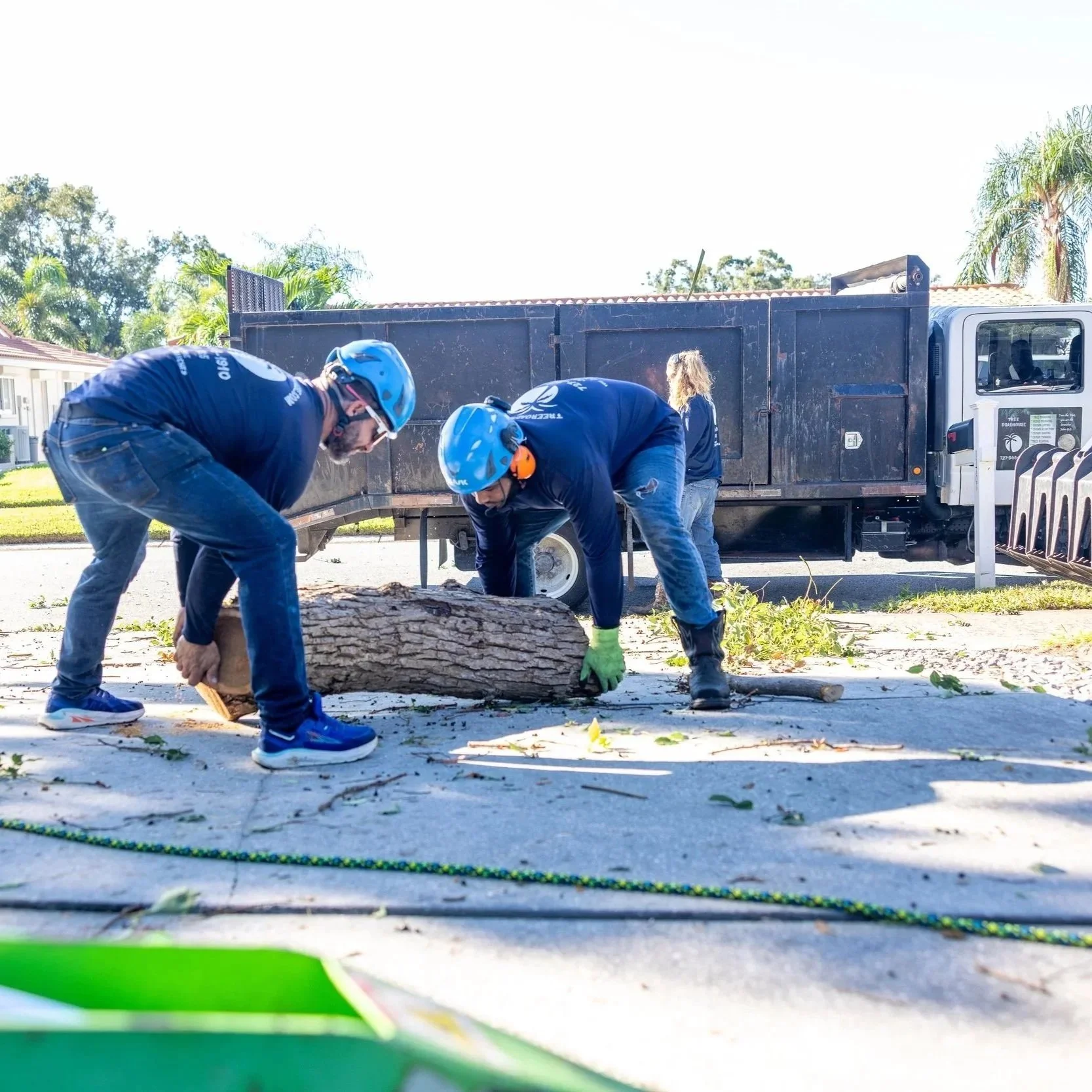
Subtle signs like sagging cables or minor bark cracks signal potential failure—regular inspections are crucial for safety, advises tree care professional.
Introduction to Tree Cabling and Why Failure Matters
Tree cabling is a professional risk-management tool used to support structurally weak or high-risk trees, but it only works when the system remains sound and properly maintained. When cabling begins to fail, the consequences can be serious. Falling limbs, split trunks, property damage, and personal injury are all real possibilities, especially when cabled trees overhang homes, driveways, walkways, or play areas. Financial costs can escalate quickly, ranging from emergency tree removal to repairs, insurance claims, and potential liability if warning signs were overlooked.
What makes cabling failure particularly dangerous is that the early signs are often subtle. Slight cable sag, minor bark cracking, or small hardware shifts can precede major failures by months or even years. Recognizing these signs early allows property owners to act before stress, storms, or gravity turn a manageable issue into a crisis. Understanding what tree cabling does, how it fails, and what to watch for is essential for anyone responsible for trees supported by these systems.
What Tree Cabling Is and How It Works
Tree cabling is a structural support system designed to reduce the likelihood of branch or trunk failure in mature or compromised trees. It typically consists of static steel cables or dynamic synthetic systems installed high in the canopy, anchored with bolts, thimbles, and specialized hardware. Rather than “fixing” a defect, cabling redistributes mechanical stress, limiting how far branches or stems can separate during wind events or heavy loading.
Cabling is commonly used on trees with co-dominant stems and included bark, large horizontal limbs extending over structures, historic or specimen trees that owners wish to preserve, and trees exposed to high winds or other environmental stressors. While cabling can significantly reduce risk, it is not permanent or maintenance-free. Trees grow, hardware ages, and load patterns change over time. Without regular inspection and upkeep, even a well-designed system can become ineffective or dangerous.
Why Recognizing Cabling Failure Signs Is Critical
Ignoring early signs of cabling failure increases the likelihood of sudden and severe outcomes. A weakened system may hold under normal conditions but fail abruptly during a storm, when forces are highest. This kind of failure often results in extensive damage because homeowners and property managers assume the presence of cables means the tree is safe.
Early recognition shifts tree care from reactive to proactive. Spotting warning signs allows arborists to make adjustments, repairs, or replacements while risks are still manageable. It also gives property owners time to plan and budget, rather than being forced into emergency decisions under pressure.
Who Should Be Concerned About Tree Cabling Failure
Homeowners with large or aging trees, property managers, municipalities, and HOA boards all share responsibility for monitoring cabled trees. Anyone overseeing trees near buildings, parking areas, sidewalks, or gathering spaces should understand the signs of failure. This knowledge is especially important for those inheriting properties with existing cabling, as the original installation details and maintenance history may be unknown.
Even property owners considering cabling as an alternative to aggressive pruning or removal benefit from understanding how systems fail. Cabling works best when owners act as informed partners with arborists, observing trees between professional inspections and reporting changes promptly.
Common Misconceptions About Tree Cabling Safety
One of the most persistent misconceptions is that cabling makes a tree indestructible. Cables do not compensate for severe root damage, advanced decay, or poor site conditions. They also do not eliminate the need for inspections. Hardware has a finite lifespan, and trees continue growing around installation points, which can alter how the system functions.
Another misconception is that all cabling systems behave the same. Static steel cables and dynamic systems differ significantly in design and performance, and the warning signs of failure are not identical. Visible hardware alone does not guarantee proper installation. Undersized cables, poorly placed bolts, or low-quality materials can fail prematurely, even if they appear intact from a distance.
How Tree Cabling Systems Are Designed and Installed
A typical cabling system includes the cable itself, lag bolts or through-bolts, thimbles to prevent abrasion, dead-end hardware, and sometimes internal braces or rods. Each component plays a role in system integrity, and failure often begins at the weakest point. A single compromised bolt or corroded cable can undermine the entire system.
System design depends on the tree’s structure and defects. Some trees require a single cable between co-dominant stems, while others need multiple cables arranged to distribute loads more evenly. Cable thickness, material, and hardware size must match the tree’s species, size, and expected forces. Poor design or shortcuts during installation often set the stage for future failure.
Proper placement and tensioning are just as important as component selection. Cables are usually installed in the upper third of the canopy, where they can limit excessive movement while allowing natural sway. Improper placement, too low in the canopy, near existing defects, or at poor angles, increases stress and accelerates wear. Correct tension allows slight movement. Over-tensioned cables can damage internal wood, while slack cables may not engage until damaging forces are already in play.
Even well-installed systems require ongoing maintenance. Climate, pollution, salt exposure, and species-specific growth patterns all influence how long hardware lasts. While manufacturers may suggest general lifespans, arborists rely on condition-based inspections rather than time alone. Skipping inspections allows minor problems to progress unnoticed until failure occurs.
Visual Signs of Cabling Failure in Hardware
One of the clearest warning signs is fraying, kinking, or broken cable strands. Fraying often develops where cables bend around hardware or rub against bark. Even a small number of broken strands can significantly reduce load capacity. Kinks caused by shock loads or impacts create stress points that are prone to sudden fracture.
Corrosion is another major concern. Light surface rust may be expected on older systems, but deep pitting, flaking, or crumbling metal indicates serious deterioration. Discoloration near connections often signals trapped moisture or chemical exposure. Coastal or polluted environments accelerate these processes, making regular inspection critical.
Loose, bent, or distorted bolts and fasteners also signal trouble. Bolts may loosen as branches move or grow, while bending suggests prior overload. Any visible deformation indicates that the system has already experienced stresses near or beyond its design limits. Missing or disconnected components are hazardous. A cable that has slipped free or dropped hardware found beneath a tree means the system is no longer functioning as intended and requires immediate professional attention.
Structural Signs of Failure in the Tree
Hardware issues often coincide with structural changes in the tree itself. New or worsening cracks at branch unions, co-dominant stems, or near attachment points indicate that stress is not being adequately managed. Fresh splits, widening seams, or audible cracking sounds demand prompt evaluation.
Excessive movement between cabled leaders is another warning sign. Cabling should limit extreme separation, not eliminate natural sway. Sudden or increased movement may indicate slack, damaged, or poorly positioned cables. Bark crushing, girdling, or ingrown hardware indicates that the tree has grown around components, restricting sap flow and increasing the risk of decay.
A sudden lean or shift in posture is among the most serious indicators. Whether gradual or storm-induced, changes in alignment suggest compromised support. Trees that lean while showing cabling issues represent high-priority risks and should be evaluated immediately.
Canopy and Foliage Symptoms Linked to Cabling Problems
Cabling issues often manifest in the canopy. Dieback, sparse foliage, or thinning on cabled limbs may indicate chronic stress or uneven load distribution. Differences in vigor between connected leaders can signal that one side is bearing more stress than the system was designed to handle.
Unusual branch angles or leader reorientation can also develop as cables stretch or shift. Branches may droop outward, pull inward, or twist in ways that alter crown symmetry. Excessive epicormic shoots, or water sprouts, near cabled areas often indicate mechanical stress or structural compromise. These shoots add weight and wind resistance, further straining the system.
The most alarming sign is a sudden limb drop from a cabled tree. Even a single failure suggests that the system may be inadequately designed, poorly maintained, or overloaded. Such events should always trigger a full professional reassessment.
Auditory and Movement Clues of Impending Failure
Not all warning signs are visual. Creaking, popping, or grinding noises during wind often indicate stress at unions or around hardware. Grinding sounds may suggest metal components rubbing against each other or the tree. Sharp, repeated pops can signal sudden shifts in alignment or cracking wood.
Movement patterns also matter. Cabled branches should move smoothly. Jerky motion, sudden stops, or snapping movements suggest cables catching, binding, or engaging too late. Loose cables may vibrate or whip in the wind, accelerating wear and metal fatigue. A noticeable delay between tree movement and cable engagement often means the cable is too slack, creating damaging shock loads when it finally tightens.
Environmental and External Factors That Accelerate Failure
Storms and extreme weather are major stress tests for cabling systems. Even well-maintained systems can be damaged during hurricanes or severe storms. Post-storm inspections are essential, as damage may not be immediately obvious.
Corrosive environments such as coastal areas, industrial zones, or sites with heavy salt or chemical exposure shorten hardware lifespan. Previous pruning wounds, storm damage, or construction damage can weaken wood near attachment points, increasing the risk of failure. Long inspection gaps allow minor issues to compound, often necessitating a full system replacement rather than minor repairs.
Performing a Basic Ground-Level Inspection Safely
Property owners can perform simple ground-level checks, but safety must come first. Never climb trees or ladders without training and equipment. Avoid inspections during storms or high winds, and keep a safe distance from unstable limbs.
A systematic visual check involves walking around the tree, inspecting the base, trunk, major limbs, and visible cables from multiple angles. Binoculars can help assess higher components. Document observations with photos and notes, focusing on changes over time rather than isolated details.
Knowing when to stop is critical. Hanging limbs, broken cables, major cracks, or sudden leans are red flags that require immediate professional involvement. When in doubt, prioritize safety and call a certified arborist.
When and Why to Involve a Certified Arborist
Ground-level observations have limits. Certified arborists are trained to identify hidden decay, internal cracks, and subtle hardware stresses. Professional inspections may involve climbing or aerial lifts, probing wood, and assessing systems against industry standards.
Arborists evaluate not just the cabling but the entire tree, including roots, trunk, and canopy balance. They provide written recommendations that may include adjustments, replacements, redesigns, or removals. Choosing an arborist with experience in cabling and proper credentials reduces the risk of poor installations and premature failures.
Repairing, Adjusting, or Replacing Failing Systems
Some early issues can be addressed by adjusting cables, repositioning hardware, or pruning interfering branches. These measures can extend system life when performed promptly and professionally.
More severe deterioration often requires partial or full replacement. Replacement allows arborists to correct design flaws, relocate attachments to sound wood, and use materials appropriate for the tree’s current size. In some cases, tree growth or damage necessitates a complete redesign of the support system.
There are situations where removal is the safest option. Trees with advanced decay or repeated failures may pose unacceptable risk despite repeated interventions. Recognizing when cabling has reached its limits is part of responsible tree management.
Preventing Future Cabling Failures
Regular inspections, integrated tree care, and informed planning reduce the likelihood of failure. Cabling works best alongside proper pruning, soil care, and overall tree health management. Educating property users and maintenance staff to recognize warning signs improves early detection and safety.
Conclusion
Understanding the signs of tree cabling failure requires attention to hardware condition, structural changes, canopy health, and movement or sound cues. No single symptom tells the whole story, but patterns of change provide clear warnings. Proactive observation, regular professional inspections, and timely intervention protect people, property, and trees. Cabling is an ongoing management strategy, not a permanent fix, and its success depends on informed ownership and professional partnership.
Signs of Tree Cabling Failure – FAQs
Cabled trees should be professionally inspected at least once a year and after major storms. Certified arborists perform formal inspections, while property owners can conduct informal ground-level observations between professional visits.
Broken or heavily frayed cables, missing or loose hardware, newly formed cracks at major unions, sudden leaning, and hanging limbs are all signs requiring immediate professional attention and restricted access around the tree.
No. Cabling repairs require specialized knowledge, training, and equipment. DIY adjustments can worsen structural issues and significantly increase the risk of failure. Homeowners should report concerns to a certified arborist immediately.
Not always. Many cabling systems can be repaired, upgraded, or redesigned. Removal is only recommended if decay or structural defects make the tree unsafe despite additional support. A certified arborist can determine the best and safest option.
