
Tree Trimming and Pruning Secrets That Keep Trees Thriving
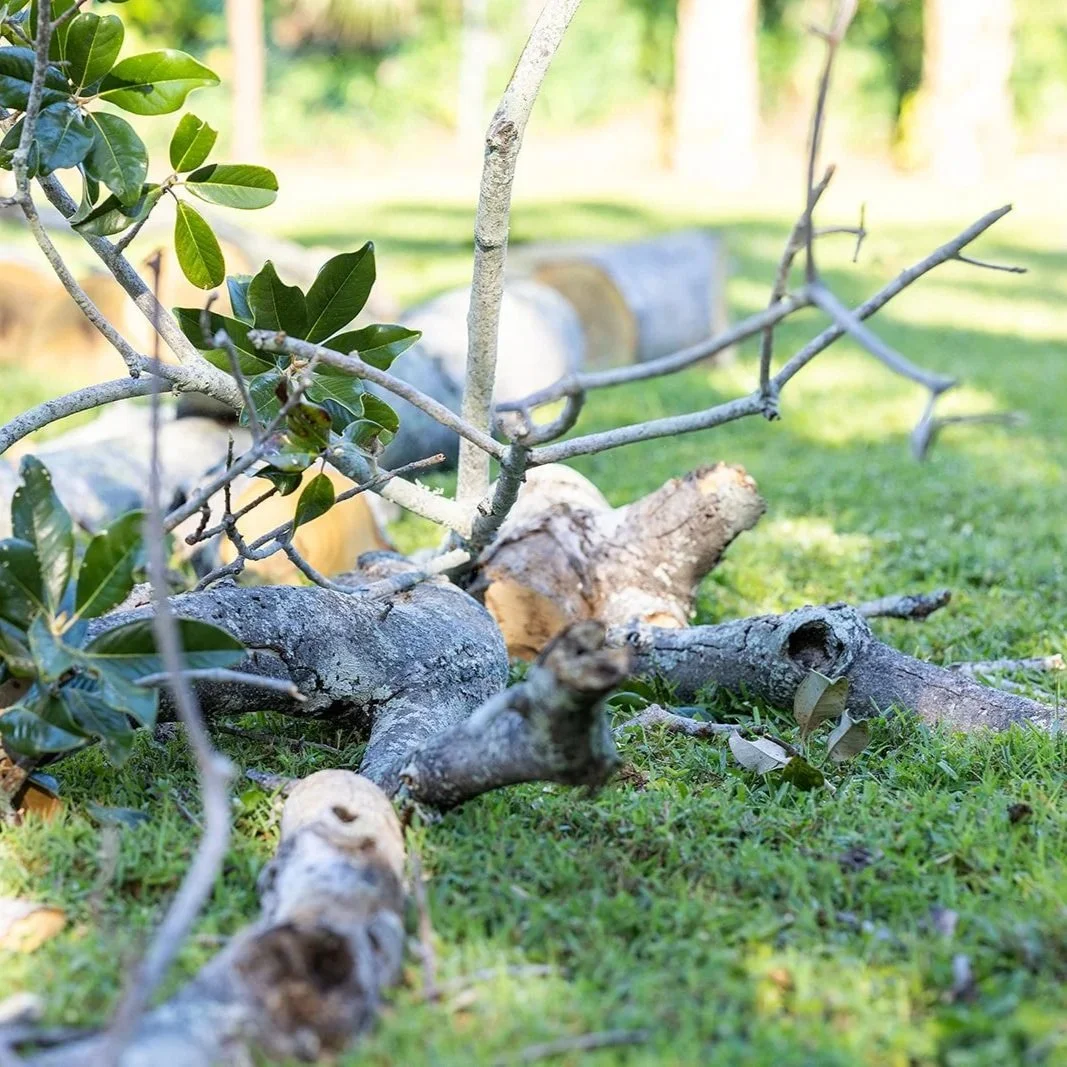
Tree trimming and pruning are not only about looks; they are about structure, safety, and long-term vitality.
Healthy trees rarely happen by accident. Behind every lush canopy and graceful branch is a careful balance of trimming, pruning, and timing. Tree trimming and pruning are not only about looks; they are about structure, safety, and long-term vitality. A professional approach helps trees thrive, reduces hazards, and keeps landscapes beautiful year-round.
The Difference Between Trimming And Pruning
Tree trimming and pruning may sound similar, but each plays a unique role in keeping trees strong. Trimming focuses on shaping and maintaining aesthetics by cutting back overgrown branches. It helps trees maintain proportion and prevents them from crowding nearby structures or power lines.
Pruning, on the other hand, is more about plant health. It involves removing dead, diseased, or structurally weak branches to improve airflow and light penetration. Pruning also directs growth, which is essential for young trees as they develop a strong foundation. Professionals know that understanding how and where to make each cut makes the difference between a thriving tree and one that struggles.
Timing is crucial, too. Most pruning is best done during dormancy in late winter or early spring. During this period, trees are less stressed, and cuts heal more effectively. Trimming for shape and size control can be done at different times, depending on the species. Professional arborists plan trimming schedules carefully to protect each tree’s natural cycle.
Why Professional Trimming Matters
There is a science behind professional tree trimming. Each branch is part of a living system, and removing the wrong one can create stress or expose the tree to disease. Professionals understand how to maintain the tree’s structure while enhancing sunlight distribution and airflow throughout the canopy.
Overgrown branches can lead to several issues. They may rub against each other, causing wounds that attract insects and fungi. They can also weigh down limbs during storms, increasing the risk of breakage. Regular trimming keeps trees balanced and prevents dangerous situations before they happen.
Professionals also trim with purpose. Instead of cutting randomly, they use pruning standards established by organizations like the International Society of Arboriculture. These guidelines dictate proper cutting angles, branch collar preservation, and canopy balance. In other words, trimming is both an art and a science, and skilled hands make all the difference.
The Health Benefits Of Regular Pruning
Pruning improves more than a tree’s appearance. It’s a vital part of overall plant health. Removing dead or infected branches prevents decay from spreading to the rest of the tree. Cutting back crowded areas allows sunlight to reach lower leaves, improving photosynthesis and nutrient flow.
A properly pruned tree also develops stronger branch unions. When weak attachments are removed early, the remaining structure grows more resilient. Over time, trees that receive professional care are less likely to suffer storm damage or sudden limb failure.
Pruning also helps control pests. Insects love cluttered canopies and damp, shaded areas where branches overlap. By thinning the interior, professionals make the environment less inviting for unwanted guests. Healthier airflow dries excess moisture and reduces fungal problems before they spread.
The Right Tools For The Job
Professional trimming and pruning require more than a pair of shears. Tree care experts use specialized tools designed for precision and safety. From pole saws to climbing gear, every piece of equipment serves a purpose.
Sharp, clean tools make clean cuts that heal faster. Dull blades tear wood fibers, leaving ragged wounds vulnerable to infection. Professionals maintain their equipment regularly to keep every cut as clean and controlled as possible.
For large or high branches, professionals use aerial lifts or ropes to safely access hard-to-reach areas. Chainsaws are used strategically, not aggressively, with a focus on control and balance. Proper tool use not only protects the tree but also keeps workers safe throughout the process.
The Art Of Canopy Shaping
A well-shaped canopy adds both beauty and strength. Canopy shaping involves selectively removing branches to improve form while maintaining symmetry and balance. It also allows more sunlight to filter through, which benefits both the tree and the plants growing beneath it.
Professionals understand the natural growth patterns of each species. Some trees thrive with an open canopy that allows air to circulate, while others need denser crowns for protection. Each cut is intentional, designed to highlight the tree’s natural form.
Shaping also prevents long-term problems. Uneven growth or heavy tops can lead to leaning, cracking, or splitting under weight. By managing the canopy early, professionals reduce stress on the trunk and roots, extending the tree’s life.
How Tree Trimming Prevents Property Damage
Overgrown trees can cause major headaches for property owners. Limbs that hang too close to roofs can scrape shingles or block gutters. Branches near power lines are not just inconvenient but dangerous. Professional trimming removes these hazards before they cause damage or interruptions.
A strategic trim keeps trees at a safe distance from structures without sacrificing appearance. Professionals assess each property’s layout and determine the safest way to maintain clearance. They also consider storm patterns, wind exposure, and tree species when planning trims.
Preventive maintenance saves homeowners from costly repairs later. A small adjustment in branch length today can prevent a roof leak or a broken window tomorrow. Safety and aesthetics can work hand in hand with professional trimming services.
The Role Of Seasonal Maintenance
Trees respond differently throughout the year, so timing matters. Spring trimming focuses on removing winter damage and shaping new growth. Summer maintenance controls rapid expansion and maintains the structure. Fall pruning prepares trees for dormancy and helps spot weak limbs before winter storms.
Professionals tailor their services to each season’s needs. For example, flowering trees may require pruning right after they bloom to avoid cutting next year’s buds. Fruit trees may benefit from specific shaping to encourage production. Understanding these seasonal nuances keeps trees strong and productive year-round.
Seasonal maintenance also helps track tree health over time. Regular visits allow professionals to notice subtle changes, such as slow growth, leaf discoloration, or pest damage. Addressing these issues early prevents larger problems from developing.
Recognizing When A Tree Needs Attention
Trees have their own way of communicating distress. When branches look crowded, leaves thin out, or dead limbs start dropping, it’s a sign of imbalance. A professional inspection determines whether trimming or pruning is needed.
Cracked bark, fungal growth, or visible cavities may also indicate structural weakness. Trees that lean or have uneven canopies often benefit from corrective trimming. Ignoring these signs can lead to more severe problems down the road, such as breakage or the spread of disease.
A professional eye catches early symptoms and creates a care plan suited to each tree’s condition. With expert intervention, most trees can recover and continue thriving.
How Pruning Promotes Safety And Longevity
Beyond beauty and growth, pruning plays a critical safety role. Weak branches are a common cause of property damage during storms. Removing them before they fall prevents accidents and keeps outdoor areas safe for people and pets.
Professionals use proper techniques to avoid creating stress points. Each cut is made to encourage natural healing and reduce decay. Over time, properly pruned trees develop a balanced structure capable of supporting their weight through all kinds of weather.
Healthy pruning also reduces wind resistance. By thinning dense areas, professionals help the wind pass through rather than push against the tree. It’s a simple but effective way to make trees more storm-resistant.
Why Tree Trimming And Pruning Should Never Be A DIY Project
Tree trimming and pruning look deceptively simple. A few snips here and there might seem harmless, but the reality is far more complex. Poor trimming practices can cause long-term harm, such as uneven growth or disease.
Professionals study the biology of trees to understand how each species responds to cuts. They know where to trim to stimulate growth and where to avoid cutting to prevent decay. Without that knowledge, it’s easy to make a small mistake with big consequences.
Safety is another concern. Climbing ladders with sharp tools or working near power lines can be dangerous without the right training. Professional arborists use safety gear and follow strict protocols to protect themselves and the property.
Tree care experts also handle disposal efficiently. Large branches and debris can be heavy and awkward to remove. With the right equipment, cleanup is quick, leaving the property neat and hazard-free.
The Long-Term Rewards Of Professional Tree Care
Trees that receive consistent trimming and pruning live longer, look better, and perform better in storms. Regular care encourages new growth, strengthens structure, and prevents disease. It also boosts curb appeal and property value.
Healthy trees contribute to a better environment by filtering air, providing shade, and supporting wildlife. Professional maintenance keeps them doing their job effectively for decades.
Beyond the practical benefits, there’s something deeply satisfying about a well-tended landscape. Walking beneath a perfectly shaped canopy or watching sunlight filter through trimmed branches creates a sense of calm that only nature provides.
Tree trimming and pruning are the quiet heroes of landscape health. Behind every strong tree stands a professional team keeping balance, safety, and beauty in perfect harmony. Through regular care, the trees that frame homes and streets thrive year after year, proving that good maintenance is both science and art.
