
Tree Cutting Myths: What Homeowners Still Get Wrong
Tree cutting is one of those topics that everyone has an opinion about. Some advice is based on old habits, some comes from well-meaning neighbors, and some has been passed down like folklore. Yet many of those "tried and true" tree-cutting ideas are just plain wrong. As professionals who spend every day working with trees, we see the same myths cause confusion, stress, and unnecessary damage to properties. Clearing up those misconceptions helps homeowners understand what tree cutting really involves and why hiring experts makes all the difference.
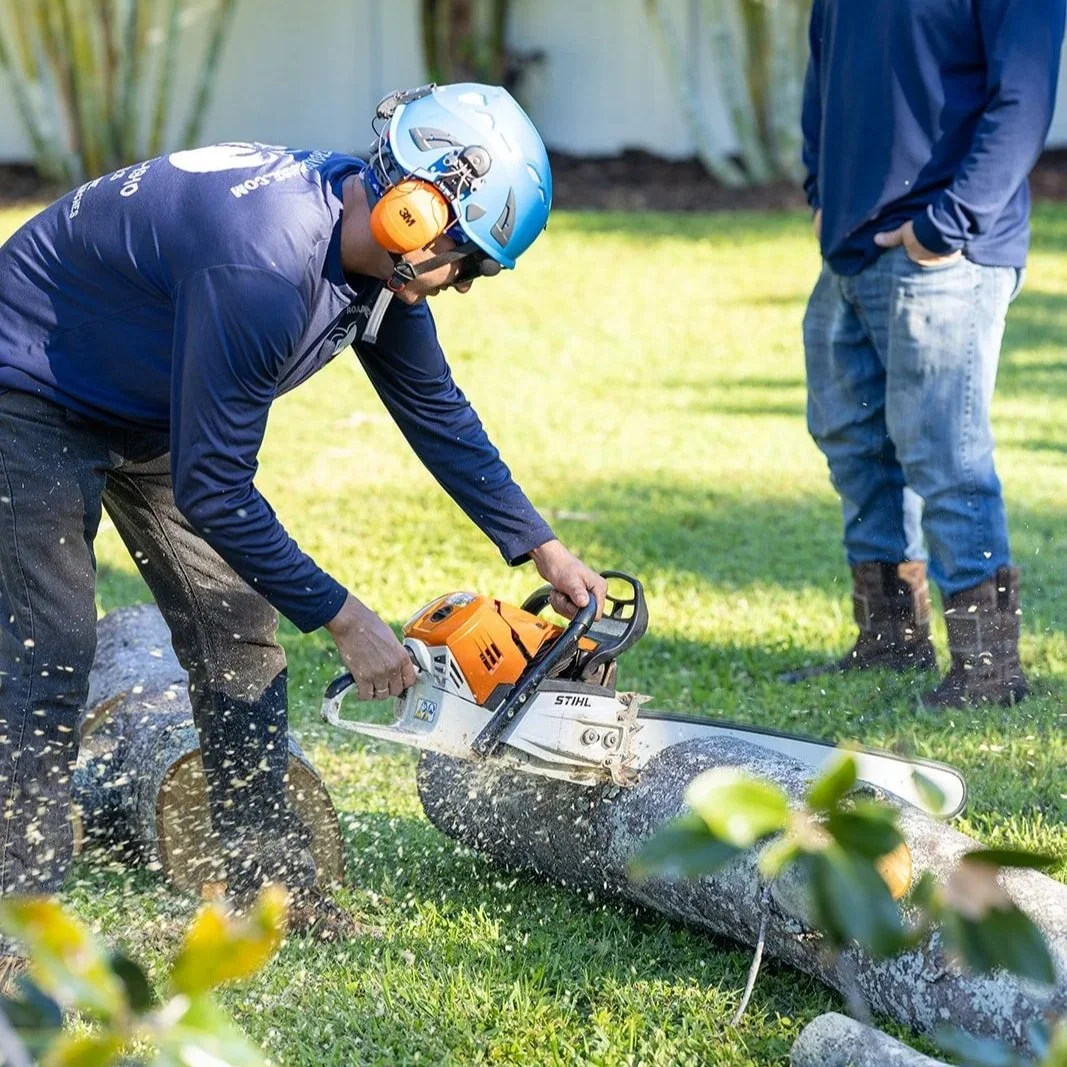
As professionals who spend every day working with trees, we see the same myths cause confusion, stress, and unnecessary damage to properties.
Cutting A Tree Down Is Always A Last Resort
Many people assume that tree cutting only happens when a tree is dead, diseased, or dangerously close to falling. While those are certainly valid reasons, tree cutting is also an essential part of responsible landscape management. Sometimes removing a tree benefits the overall health of the property by making space for other plants to thrive or by reducing competition for nutrients.
A tree that grows too close to structures or power lines can pose risks long before it begins to show visible signs of decline. Professionals evaluate health, stability, and placement before deciding whether cutting is necessary. In many cases, selective removal actually protects the surrounding landscape and prevents larger problems down the road. Cutting a tree doesn't always mean something has gone wrong; it often means something is being done right.
All Tree Cutting Is The Same
One of the biggest myths about tree cutting is that it's a one-size-fits-all job. Every tree species, age, and condition requires a specific approach. A decaying pine needs a different cutting method than a healthy oak. A tree leaning toward a structure demands more precision than one standing in an open field.
Professional arborists assess factors such as grain direction, trunk diameter, root stability, and the surrounding environment before making a single cut. Safety, balance, and equipment placement all depend on those details. Treating every tree the same way is a recipe for accidents, property damage, and poor results. Tree cutting is an exact science guided by experience, not a guessing game with a chainsaw.
Tree Cutting Hurts The Environment
There's a common misconception that cutting trees is automatically bad for the planet. The truth is that when done responsibly, tree cutting actually supports environmental balance. Removing diseased or invasive trees gives healthy native species more room to grow. It also helps prevent pest infestations and improves air circulation across the property.
Professionals practice selective cutting to protect ecosystems and encourage natural regeneration. They identify trees that are hazardous or ecologically unproductive while preserving those that contribute to the landscape's health. Tree cutting, when managed correctly, restores balance rather than destroying it.
Any Season Works For Cutting Trees
Timing makes a major difference in how trees respond to cutting. Many homeowners assume that trees can be cut at any time, but seasonal timing significantly affects safety, stability, and the post-cut recovery of surrounding vegetation.
Winter is often the safest time for cutting because most trees are dormant, and heavy foliage doesn't obstruct the view of the structure or fall path. Frozen ground also protects root systems from soil compaction during equipment use. Cutting in spring or summer, when trees are actively growing, increases the risk of spreading disease or pests.
Professionals schedule cutting operations based on species, location, and environmental conditions to minimize harm. A well-timed project protects both the property and the surrounding ecosystem.
Cutting Down A Tree Is A Simple Job
There's a persistent belief that tree cutting only requires a saw, some muscle, and confidence. In reality, it's one of the most dangerous outdoor tasks. Even small trees can fall unpredictably due to hidden internal decay or uneven weight distribution. Misjudging the fall direction or cutting angle can cause serious injury or property damage.
Professional tree cutters utilize advanced equipment, including climbing harnesses, rigging ropes, cranes, and protective gear. They calculate fall zones and wind influence to remove each section safely. What looks simple from the ground involves split-second decisions and technical skill developed through training and experience. Cutting trees is not a weekend hobby; it's a precision service that protects people and property.
Tree Stumps Don't Matter Once The Tree Is Gone
Many homeowners believe that once a tree is cut down, the job is done. The remaining stump, however, can cause long-term issues. Tree stumps left in the ground can attract pests, harbor disease, and send out new shoots that create more maintenance headaches.
Professional tree cutters often recommend either stump grinding or full stump removal to prevent regrowth and enhance the landscape's appearance. Beyond aesthetics, eliminating stumps makes mowing easier and reduces the risk of tripping hazards. A clean removal gives the yard a polished finish and helps the surrounding soil recover faster.
Trees Always Fall In The Direction They Lean
Gravity may make it look that way, but tree felling rarely goes as predictably as people think. Leaning trees often have uneven weight distribution or compromised root systems that shift during cutting. Factors like wind speed, trunk shape, and decay can change how a tree reacts the moment a cut is made.
Professionals use directional cuts and wedge techniques to guide the fall safely, even when natural lean suggests otherwise. They also clear escape paths and set up rigging to control descent in confined areas. The assumption that a leaning tree will fall where it points is one of the most common and dangerous myths about tree cutting.
All Dead Trees Are Safe To Leave Alone
Dead trees may appear stable for months or even years, but inside, they're deteriorating. Rotting wood loses structural integrity, and roots weaken until even mild wind can bring the tree down. Falling limbs from dead trees are a leading cause of property damage during storms.
Professional tree cutters assess whether a dead tree poses a safety risk and determine the safest method for its removal. In some cases, partial cutting or limb removal reduces danger while preserving habitat for wildlife. Ignoring a dead tree doesn't save money; it often leads to higher repair costs in the future.
Topping Trees Solves Height Problems
One of the most damaging myths in tree maintenance is that topping, a method of cutting off large sections from the crown, controls height and encourages new growth. Topping actually weakens trees by removing too much canopy at once. The exposed wood becomes vulnerable to decay and pests, and regrowth tends to be weak, fast, and unbalanced.
Professionals use crown reduction instead, a more controlled approach that trims specific branches while preserving the tree's structure. Crown reduction maintains safety and aesthetics without compromising long-term health. Topping is a shortcut that creates more problems than it solves, while professional cutting builds strength and beauty over time.
Tree Cutting Is Bad For Property Value
Healthy trees absolutely enhance curb appeal, but that doesn't mean every tree adds value. Overgrown, diseased, or dangerously placed trees can decrease property value by making maintenance harder or creating liability risks.
Cutting a problematic tree can actually improve value by opening up space, improving sightlines, and reducing future hazards. A balanced, well-maintained yard looks more intentional and inviting. Professionals analyze which trees contribute to property health and which may be holding it back. Strategic cutting helps create a landscape that feels open, safe, and well-maintained.
Any Tree Can Be Saved With Enough Care
While many trees can recover from damage, not every one can or should be saved. Severe decay, deep trunk cracks, or root failure can make even the most beautiful tree too risky to keep. Attempting to save a structurally unsound tree often costs more and endangers nearby structures.
Arborists use diagnostic tools to assess the internal health of trees and determine whether recovery is possible. When cutting is the safest choice, they execute it with precision and minimal disruption. Sometimes the best act of care for a landscape is removing one tree to protect the rest.
Tree Cutting Is All About Removal
Cutting might sound destructive, but in professional terms, it's about management, not elimination. Strategic cutting reshapes the landscape, promotes growth, and restores balance. It can mean thinning overcrowded areas, removing diseased specimens, or cutting select limbs to improve light flow and air circulation.
Professionals see tree cutting as a tool for stewardship. It's not about clearing land for the sake of it but about guiding a healthy, safe, and sustainable environment. Done thoughtfully, cutting supports long-term beauty and biodiversity across the property.
Why Professionals Always Outperform DIY
Tree cutting involves more than physical labor. It requires technical knowledge, environmental awareness, and precise execution. Certified professionals understand how trees respond to stress, how roots and soil interact, and how to predict behavior during removal. They work with purpose and safety in mind, using training to protect both the trees and everything nearby.
DIY attempts often end in uneven cuts, incomplete removal, or costly property damage. Professionals, on the other hand, manage every stage from inspection to cleanup with efficiency and care. Tree cutting is not simply a matter of taking down wood; it's about maintaining the integrity of the landscape as a living system.
Tree-cutting myths have a way of sticking around because they sound logical or come from tradition, but experience proves otherwise. When handled by trained experts, tree cutting becomes a precise service that blends safety, science, and respect for nature. Homeowners who trust professionals for their tree cutting needs gain more than tidy yards; they gain landscapes that stay healthy, balanced, and beautiful through every season.
