
The Right Way to Remove Small, Medium, and Large Trees Safely
Tree removal may seem simple on the surface, but every size comes with its own challenges. A small sapling can surprise you with hidden roots, a mid-sized tree can interfere with structures, and a mature giant can turn removal into a carefully choreographed operation. Professional tree removal balances safety, precision, and environmental care at every stage, ensuring that each job—whether small, medium, or large—is handled efficiently without disrupting the surrounding landscape.
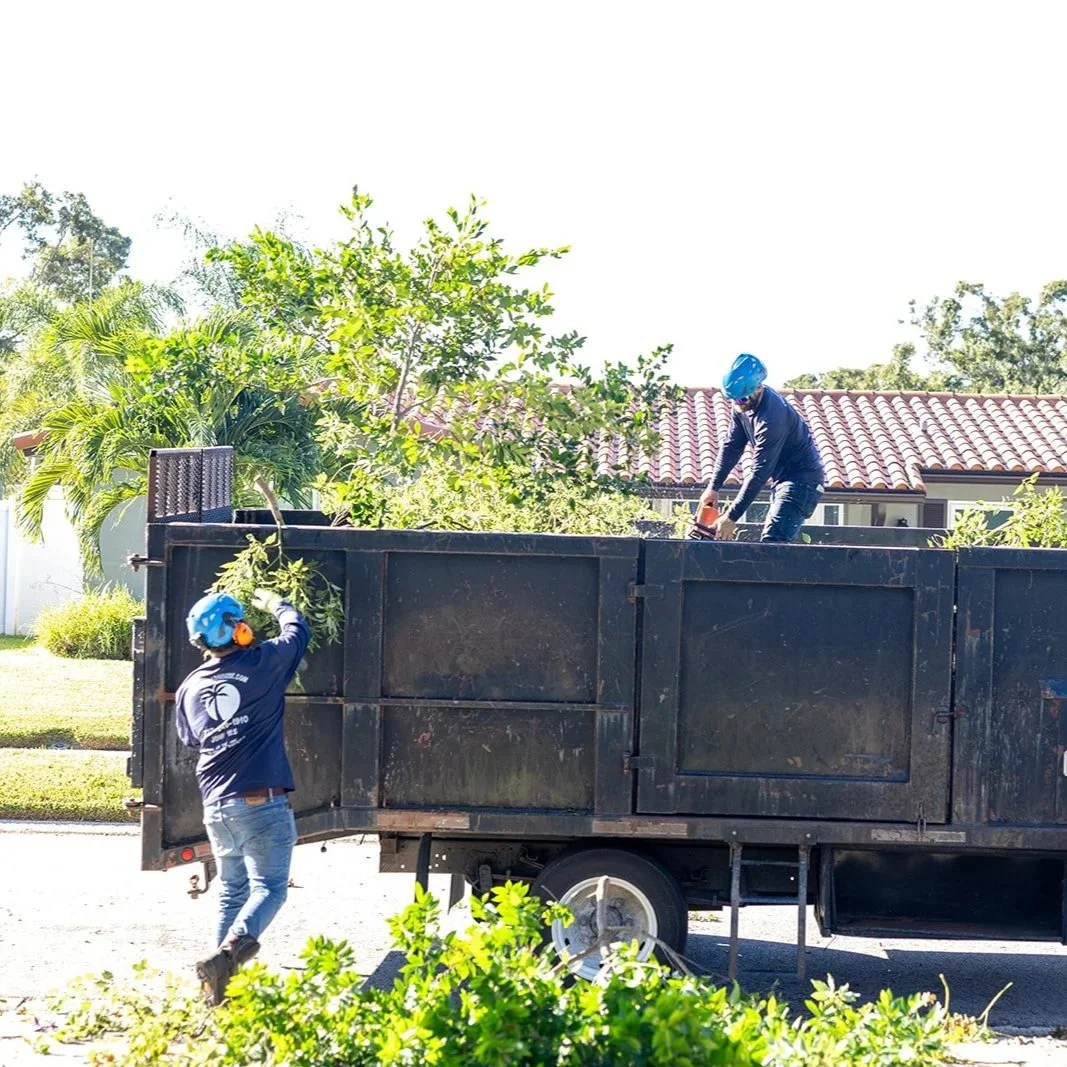
A small sapling can surprise you with hidden roots, a mid-sized tree can interfere with structures, and a mature giant can turn removal into a carefully choreographed operation.
Understanding The Scale Of Tree Removal
Every tree tells a different story, and professionals approach each tree with its own strategy. Small trees may look manageable, but their roots often run deep or spread wide, making them tricky to remove without damaging nearby plants. Medium trees introduce more complexity, often requiring equipment to access branches safely or control the direction of the fall. Large trees require advanced planning, specialized machinery, and sometimes even coordination with traffic or utilities.
Professionals evaluate factors such as height, diameter, proximity to buildings, and the tree's condition before determining the safest approach. Each job is unique, but the guiding principle remains the same: protect the property, protect the people, and leave the space ready for whatever comes next.
Removing Small Trees Safely
Small trees are generally defined as those under 20 feet tall. They may seem easy to handle, but roots can make removal surprisingly stubborn. Professionals assess the proximity of the tree to other vegetation, fences, or structures before determining the best technique.
The process usually begins by clearing the area and identifying escape routes in case the trunk shifts unexpectedly. Using sharp, well-maintained saws, professionals make precise cuts that control the direction of the fall. Even small trees can be unpredictable if diseased or weakened, so every movement is calculated.
Once the trunk is down, attention turns to the roots. Shallow-rooted species can often be extracted cleanly, while deeper root systems require digging or mechanical assistance to prevent regrowth. Stump grinding is a common finishing step that leaves the area smooth, safe, and ready for replanting or landscaping.
Small tree removal may look quick, but it's where professional precision shines. Even a simple job demands the right tools, awareness, and technique to avoid injury or unintended damage.
Medium Tree Removal: The Balancing Act
Medium-sized trees, typically ranging from 20 to 60 feet tall, bring a new level of complexity. Their weight, height, and proximity to buildings often require advanced methods to prevent damage during removal. Professionals use climbing gear or aerial lifts to safely reach upper limbs and dismantle the tree in sections, rather than felling it all at once.
Removing a medium tree often involves rigging systems that allow branches to be lowered gently to the ground instead of letting them fall freely. That approach is especially important in residential neighborhoods where trees grow close to homes, driveways, or fences. Controlled disassembly prevents broken branches from damaging roofs or property.
Roots are also more extensive at this stage, sometimes weaving around pipes, foundations, or utility lines. Professionals locate and plan around those hazards before digging. Safety barriers, ground mats, and protective gear are all part of the process to minimize disruption and maintain a clean workspace.
Medium trees often require a balance of strength and finesse. Too much force can cause damage; too little precision can cause accidents. Professionals rely on years of experience and specialized tools to find that perfect middle ground.
Large Tree Removal: Where Expertise Meets Engineering
Large trees, typically over 60 feet tall, transform removal into a technical operation. Their immense size and weight mean that every cut matters. Professionals begin by conducting a comprehensive structural assessment, examining the trunk, branches, and root stability. A compromised tree requires an entirely different plan than one that is simply overgrown.
Cranes or heavy rigging equipment are often brought in to control the descent of each section. Instead of cutting from the base, arborists climb or use lifts to dismantle the tree piece by piece, starting from the top of the canopy and working downward. Each section is carefully secured, cut, and lowered to the ground with precision to avoid collisions or property damage.
Safety zones are established, and the work area is cordoned off to protect both crew and bystanders. Even the surrounding soil is considered; heavy machinery can compact it, so professionals use pads or boards to distribute weight evenly. Every decision during large tree removal is based on safety and efficiency, turning what could be a risky process into a smooth, organized operation.
Dealing With Hazardous Large Trees
Large trees that are diseased, hollow, or leaning add another layer of risk. Decay weakens internal structure, making traditional climbing unsafe. In those cases, professionals use cranes or mechanical lifts to access the tree safely. They may also use specialized cutting techniques to stabilize sections before removal.
Weather conditions, soil type, and even wind direction are factored into every move. Removing a hazardous large tree is as much about engineering as it is about arboriculture. Every step is carefully calculated to prevent collapse, reduce risk, and protect the integrity of the surrounding environment.
The Role Of Stump Removal
Once the tree is down, the stump remains as an obstacle and potential hazard. Left untreated, stumps can decay slowly, attract pests, or sprout new shoots. Professional stump grinding eradicates the problem by reducing the stump below ground level.
For small trees, grinding is a quick and straightforward process. For medium- to large-sized trees, the process may require multiple passes to address extensive root systems. The resulting mulch can be reused in the garden, transforming what was once a hazard into a beneficial addition to the soil.
Stump removal also prepares the area for future use, whether for planting a new tree, building a structure, or expanding the landscape. It's the finishing touch that completes the tree removal process safely and cleanly.
Safety As The Top Priority
Tree removal of any size involves significant risk. Gravity, weight, and unpredictable movements can turn a simple cut into a dangerous situation without proper control. Professionals take a methodical approach to safety, from inspecting equipment before every job to wearing protective gear and securing work zones.
They also account for variables such as nearby utilities, overhead power lines, and unstable ground. Every hazard is addressed before a single cut is made. That level of planning and foresight is what separates professional services from risky DIY attempts.
Environmental Considerations In Tree Removal
Removing trees doesn't mean disregarding the environment. Professionals work with care to protect nearby plants, wildlife, and soil health. When possible, wood and debris are recycled into mulch or repurposed for lumber. The goal is to maintain ecological balance while clearing space for new growth or construction.
In some cases, professionals recommend replanting with native species after removal. That helps restore natural habitats and maintain local biodiversity. Sustainable practices keep landscapes healthy long after the removal work is done.
When To Schedule Tree Removal
Timing can make a difference in both safety and results. Professionals often recommend removing trees during the dormant season, typically late fall through winter, when sap flow is reduced and foliage is minimal. That makes the structure easier to see and reduces the mess of falling leaves.
Emergency tree removal, however, can occur at any time. Storms, wind, or disease may cause immediate hazards that need prompt attention. Professionals respond quickly with the tools and training to handle urgent situations safely and efficiently.
How Professionals Protect Property During Removal
Protecting the surrounding area is just as important as removing the tree itself. Professionals lay down mats or boards to shield lawns and driveways from heavy equipment. They plan drop zones to avoid damage to fences, roofs, and gardens. In tight spaces, sections of the tree are often roped and lowered manually to maintain control.
Cleanup is also part of the process. Once removal is complete, debris is cleared, leaving the area safe, tidy, and ready for its next purpose. A well-managed tree removal leaves behind no trace of the operation, just an open space filled with potential.
Why Professional Tree Removal Is The Only Safe Option
Tree removal may appear simple, but every branch, root, and cut carries a potential risk. Professionals bring the right mix of technical knowledge, equipment, and field experience to perform the job safely and efficiently. They understand how to read a tree's structure, predict its movements, and remove it in stages that keep everything under control.
Attempting removal without the proper tools or training can lead to injuries, property damage, or even long-term landscape issues. Professional services eliminate those risks, providing peace of mind while preserving the property's beauty and safety.
Tree removal, whether small, medium, or large, is about more than just cutting wood. It's about making calculated and careful decisions that protect people, property, and the natural environment. Every successful removal clears the way for new possibilities, stronger trees, safer environments, and a landscape that feels both open and alive.
