
Understanding the Basics of Tree Pruning in Largo, FL
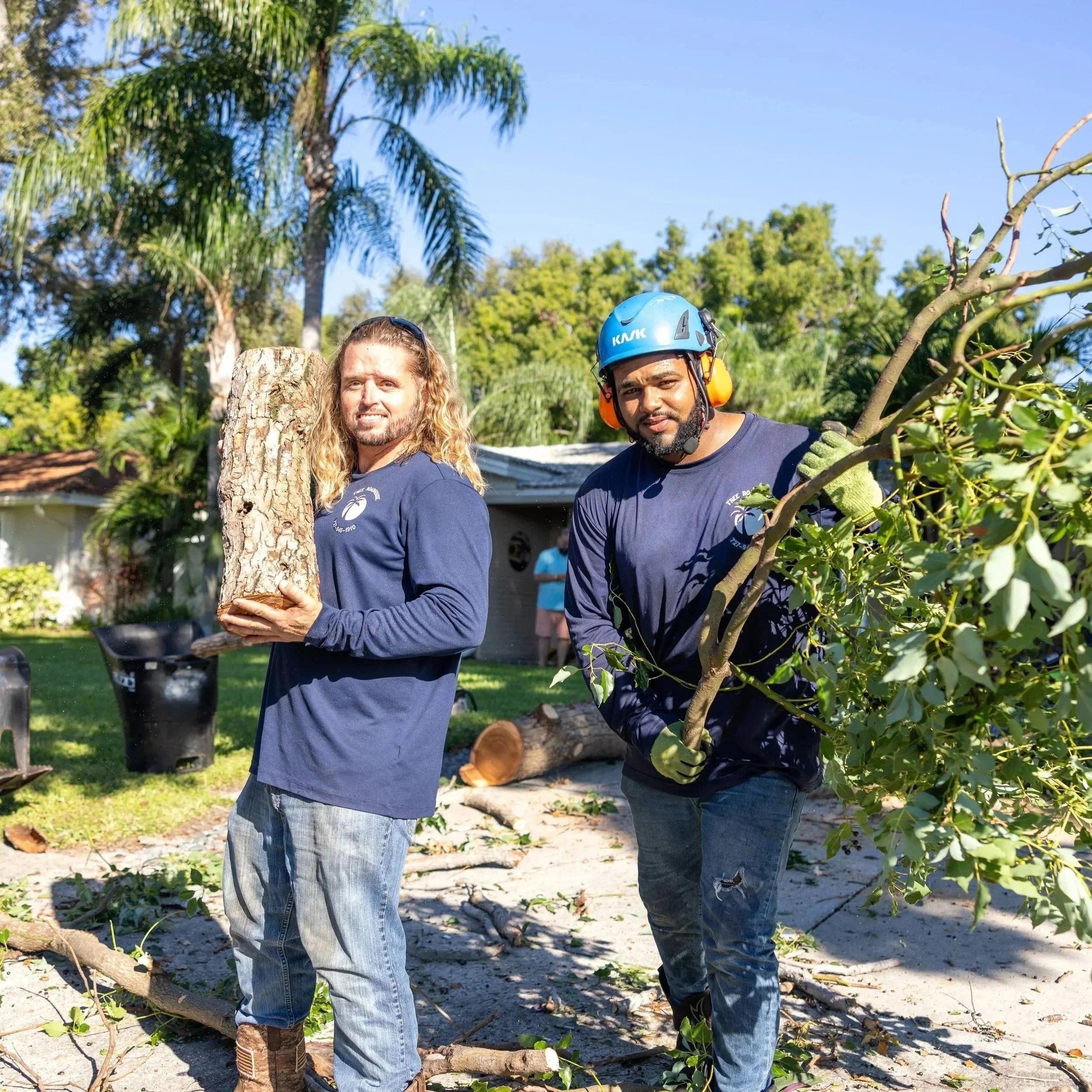
Proper tree pruning in Largo protects property, enhances tree health, and prevents storm or pest-related damage.
Introduction to Tree Pruning in Largo, FL
Tree pruning in Largo, FL, is shaped by conditions that differ sharply from generic guidance found online. Trees here grow quickly due to heat, humidity, and long growing seasons, while coastal exposure and frequent storms place ongoing stress on limbs, trunks, and root systems. These factors mean pruning decisions carry long-term consequences, not just cosmetic ones. What works in cooler or drier regions often fails in Florida, especially when cuts are rushed or poorly planned. This guide is designed to help Largo homeowners, landlords, and small property managers understand how pruning decisions affect safety, tree health, and future maintenance demands, using realistic scenarios drawn from local yards and neighborhoods rather than textbook theory.
Many property owners feel pressure to prune reactively when branches look questionable or hurricane season approaches. While some light maintenance can be handled responsibly, other situations demand restraint and professional involvement. Poor pruning choices frequently create larger risks down the line, including storm failures, pest infestations, and costly emergency removals. The goal of this article is not to push constant cutting, but to support informed decision-making that protects people, structures, and the long-term stability of trees common throughout Largo and Pinellas County.
Why Tree Pruning Matters in Largo’s Coastal Environment
Largo’s subtropical coastal environment directly influences how trees grow and how they respond to pruning. High humidity encourages dense canopy development, which increases wind resistance during storms and raises the likelihood of limb failure. Regular, well-planned pruning helps reduce that sail effect by improving airflow through the canopy, allowing branches to move more freely rather than resist gusts. In a region where tropical storms and hurricanes are routine concerns, this structural flexibility often determines whether a tree bends or breaks under pressure.
Beyond storm safety, proper pruning plays a major role in disease management and long-term vitality. Moist conditions favor fungal pathogens, particularly when airflow is restricted, and leaves remain wet after rain. Thoughtful pruning opens the canopy enough to promote drying without stripping the interior structure. Well-maintained trees also contribute to property value by providing shade that cools homes and outdoor spaces, reducing energy demands during hot months. Neglected trees often develop deadwood, weak attachments, and crossing limbs that turn into hazards or insurance issues. Over time, lack of maintenance tends to lead to emergency interventions rather than controlled, preventive care.
Understanding Largo Tree Species and Local Growing Conditions
Tree pruning decisions should always start with understanding what species is growing on the property. Largo landscapes commonly include live oaks and laurel oaks with wide, heavy canopies, magnolias with dense evergreen foliage, crape myrtles known for rapid ornamental growth, Southern pines that grow tall with flexible tops, and palms that follow entirely different pruning rules. Each species responds differently to thinning, reduction, and timing, and applying the wrong approach can permanently alter structure or shorten lifespan.
Climate compounds these differences. Largo’s long growing season means trees rarely experience full dormancy, so regrowth happens quickly after pruning. While rapid recovery can be helpful, it also means that excessive cutting triggers weak, fast-growing shoots that break easily during storms. Soil conditions matter as well. Sandy soils drain quickly and may limit root depth, increasing the importance of balanced canopy weight. Trees exposed to prevailing coastal winds often develop uneven growth patterns, which require corrective pruning to prevent long-term instability rather than reactive cutting after damage occurs.
Core Principles of Proper Tree Pruning
Tree pruning is rooted in biology rather than appearance. Branches connect to the trunk via the branch collar, a specialized tissue that helps the tree compartmentalize wounds. Cuts made just outside that collar allow the tree to seal damage naturally, limiting internal decay. When cuts ignore this structure, either by cutting flush to the trunk or leaving long stubs, the tree struggles to defend itself. In Largo’s humid climate, those mistakes often lead to fungal decay and pest intrusion that weaken the tree from the inside out.
Clear goals are essential before any pruning begins. Safety often comes first, particularly when branches overhang roofs, driveways, or walkways. Health follows, with the removal of diseased or damaged wood, allowing the tree to redirect energy to stronger growth. Appearance matters, but only when it supports structure and balance rather than forcing artificial shapes. A commonly accepted guideline suggests removing no more than 25 percent of the live canopy in a single session. Exceeding that threshold places stress on the tree, increases vulnerability to pests, and encourages brittle regrowth that undermines long-term stability.
Safety Considerations and DIY Limits
Safety should determine whether pruning is appropriate for DIY work. Small branches reachable from the ground using hand pruners or loppers are often manageable for careful homeowners. These tasks usually involve removing dead twigs, light thinning, or clearing minor obstructions away from walkways and fences. Even then, protective gear such as eye protection, gloves, and sturdy footwear reduces common injuries caused by falling debris or slipping tools.
The moment pruning involves height, ladders, large limbs, or proximity to structures, risk increases sharply. Decayed wood, storm-damaged branches, and limbs under tension behave unpredictably when cut. Power lines present extreme danger, as electricity can arc without direct contact. In these situations, professional arborists bring training, equipment, and local experience that protect both people and trees. Recognizing personal limits is a critical part of responsible tree care in Largo neighborhoods.
Essential Pruning Tools and Proper Use
Most residential pruning is done with hand pruners, loppers, and pruning saws. Bypass pruners make clean cuts on live wood, while loppers handle slightly larger branches with better leverage. Pruning saws come into play when branch size exceeds the lopper's capacity, using controlled-pull cuts to reduce slipping. Pole pruners extend reach while keeping feet on the ground, though awareness of falling branches remains essential.
Tool condition matters as much as tool selection. Sharp blades slice cleanly and require less force, reducing fatigue and accidental slips. Dirty or dull tools crush wood fibers, slow healing, and spread disease between trees. Disinfecting blades between trees and drying tools after use helps prevent pathogen transfer and corrosion, which are constant concerns in Largo’s moist coastal environment.
Timing Tree Pruning in Largo, FL
Tree pruning in Largo follows different rhythms than in colder regions. Cooler, drier months often place less stress on trees and limit insect activity, but safety-driven pruning remains appropriate year-round. Emergencies, including broken or hanging limbs, should never wait for an ideal season. Hurricane season adds another layer of planning, as strategic pruning well before storm season reduces wind resistance and structural risk.
Late, aggressive pruning immediately before storms often creates new problems. Fresh cuts can stimulate tender growth that lacks strength and fails under pressure. Species-specific timing also matters. Flowering trees often benefit from pruning after blooming, while palms require conservative, year-round attention focused on removing dead or hazardous material. Short-term weather conditions also play a role, with wet days increasing slip risk and disease spread, and extreme heat contributing to fatigue and poor judgment.
Inspecting Trees Before Pruning
Effective pruning begins with inspection. Healthy trees show consistent leaf color, balanced canopy density, and visible new growth. Sparse foliage, dieback, fungal growth, or large cracks signal deeper issues that pruning alone may not resolve. Dead, diseased, and damaged branches take priority because they present the highest risk of failure, especially during storms.
Structural issues often develop gradually and require trained observation. Codominant stems, narrow branch unions, and long overextended limbs create weak points that worsen over time. Clearance problems around roofs, driveways, and sidewalks also influence decisions. Selective pruning maintains space without stripping large sections of the canopy. Work near structures increases complexity and often benefits from professional involvement rather than trial and error.
Basic Pruning Techniques That Protect Tree Health
The three-cut method offers a controlled way to remove larger branches without tearing bark or injuring the person cutting. An undercut prevents tearing, a top cut removes weight, and a final cut at the branch collar supports proper healing. Thinning cuts remove entire branches back to their point of origin, reducing density while preserving natural structure. Heading cuts shorten branches and stimulate new growth, but require careful judgment to avoid dense, weak regrowth.
Flush cuts and long stubs interfere with the tree’s ability to compartmentalize wounds. Over time, these mistakes lead to decay pockets and structural weakness. Observing poorly pruned trees throughout Largo neighborhoods provides visible examples of how improper techniques affect long-term stability.
Pruning Young Trees for Long-Term Strength
Early structural pruning shapes a tree's growth for decades. Young trees tolerate small corrective cuts that close quickly and prevent future hazards. Selecting a central leader, spacing strong scaffold branches, and removing crossing or competing growth early reduces the need for large, stressful cuts later in life.
Planning for clearance also starts early. Gradually raising the canopy prevents interference with walkways and structures without creating weak trunks or sudden sun exposure. Aggressive removal of lower branches too quickly leads to poor trunk taper and instability. A measured approach supports balanced growth under Largo’s demanding climate conditions.
Managing Mature Shade Trees in Largo
Mature shade trees require restraint and planning. Dense canopies benefit from selective thinning that improves airflow and reduces wind resistance without stripping interior structure. Weight reduction on long limbs improves safety when done using drop crotch techniques that preserve natural form rather than topping.
Large trees near homes, trees showing decay, or storm-damaged specimens often require professional evaluation. Improper cuts on mature trees carry higher consequences due to limb weight and proximity to structures. Professional involvement often extends the tree's lifespan while reducing ongoing property risk.
Special Considerations for Palms and Tropical Trees
Palms grow from a single bud and do not regenerate along the trunk, making over-pruning especially damaging. Safe palm pruning focuses on removing dead fronds, loose boots, and hazardous fruit stalks while preserving healthy green fronds that provide nutrients and wind resistance. Hurricane cuts that strip palms down to a few upright fronds place unnecessary stress on the tree and reduce long-term stability.
Flowering and ornamental tropical trees require species-specific timing. Many bloom on new growth, so poorly timed cuts remove future flowers. Light, regular pruning supports shape and airflow, while aggressive or mistimed cutting leads to sparse flowering and awkward regrowth.
Tree Pruning and Storm Preparedness
The tree's structure determines how well it withstands the high winds common in Largo. Balanced canopies distribute force evenly and move with gusts rather than resisting them. Proactive pruning identifies high-risk branches before storm season, reducing the risk of emergencies and property damage.
Severe topping and aggressive thinning, marketed as storm preparation, often increase failure risk by encouraging weak regrowth. After storms, inspection should prioritize safety, with professional help required for split trunks, hanging limbs, or trees entangled with power lines.
Environmental, Legal, and Community Considerations
Tree pruning in Largo may involve local regulations, particularly for large or protected trees. Permits may apply when significant material is removed. HOA guidelines often influence acceptable pruning practices in visible areas, making communication important before major work begins.
Trees also provide habitat for wildlife, so checking for nests before pruning helps reduce ecological disruption. Proper debris disposal through municipal green waste programs supports environmental responsibility and keeps neighborhoods clean.
When to Hire a Professional Arborist in Largo
Large trees, work near structures or utilities, visible decay, and storm damage signal the need for professional help. Certified arborists bring training, insurance, and local knowledge that protect both trees and property. Detailed estimates, clear communication, and a focus on long-term health indicate quality service.
Long-term care plans spread costs and reduce emergencies by addressing issues early. Collaboration between homeowners and arborists supports healthier, safer landscapes over time.
Step-by-Step Pruning for a Small Yard Tree
A successful DIY pruning session begins with planning. Clear goals, proper tools, protective gear, and safe conditions prevent random cutting. Walking around the tree and identifying specific branches to address helps maintain focus on safety and health rather than appearance alone.
Pruning should begin with dead, diseased, or broken branches, followed by selective thinning if needed. Pausing to reassess prevents over-pruning. Final inspection, cleanup, and post-pruning observation complete the process, with ongoing monitoring for signs of stress or disease in the weeks that follow.
Tree Pruning FAQs in Largo, FL
Pruning frequency depends on growth rate, species, exposure, and location rather than a strict schedule. Many mature trees benefit from annual inspections and light pruning every 2 to 3 years, while young trees require more frequent guidance to develop strong structure.
DIY pruning is appropriate for small, ground-reachable branches using hand tools. Larger trees, ladder use, chainsaws, or proximity to power lines greatly increase risk and are better handled by professionals.
Topping, over-pruning, flush cuts, leaving stubs, and stripping palms of green fronds create long-term damage and increase storm failure risk.
Minor maintenance usually does not require permits, but significant pruning of large or protected trees may. Checking local guidelines or consulting a local arborist helps avoid complications.
