
Crown Thinning Secrets Arborists Don't Always Share
When trees look full and lush, most people assume they're in perfect health. Beneath that dense canopy, however, branches can be competing for light, air, and nutrients in ways that silently weaken the tree. Crown thinning is one of the most effective ways to restore balance and strength, though it often goes unnoticed compared to more dramatic trimming methods. For professional arborists, crown thinning is less about removing branches and more about refining structure. It's the quiet, careful work that keeps trees strong, stable, and beautiful.
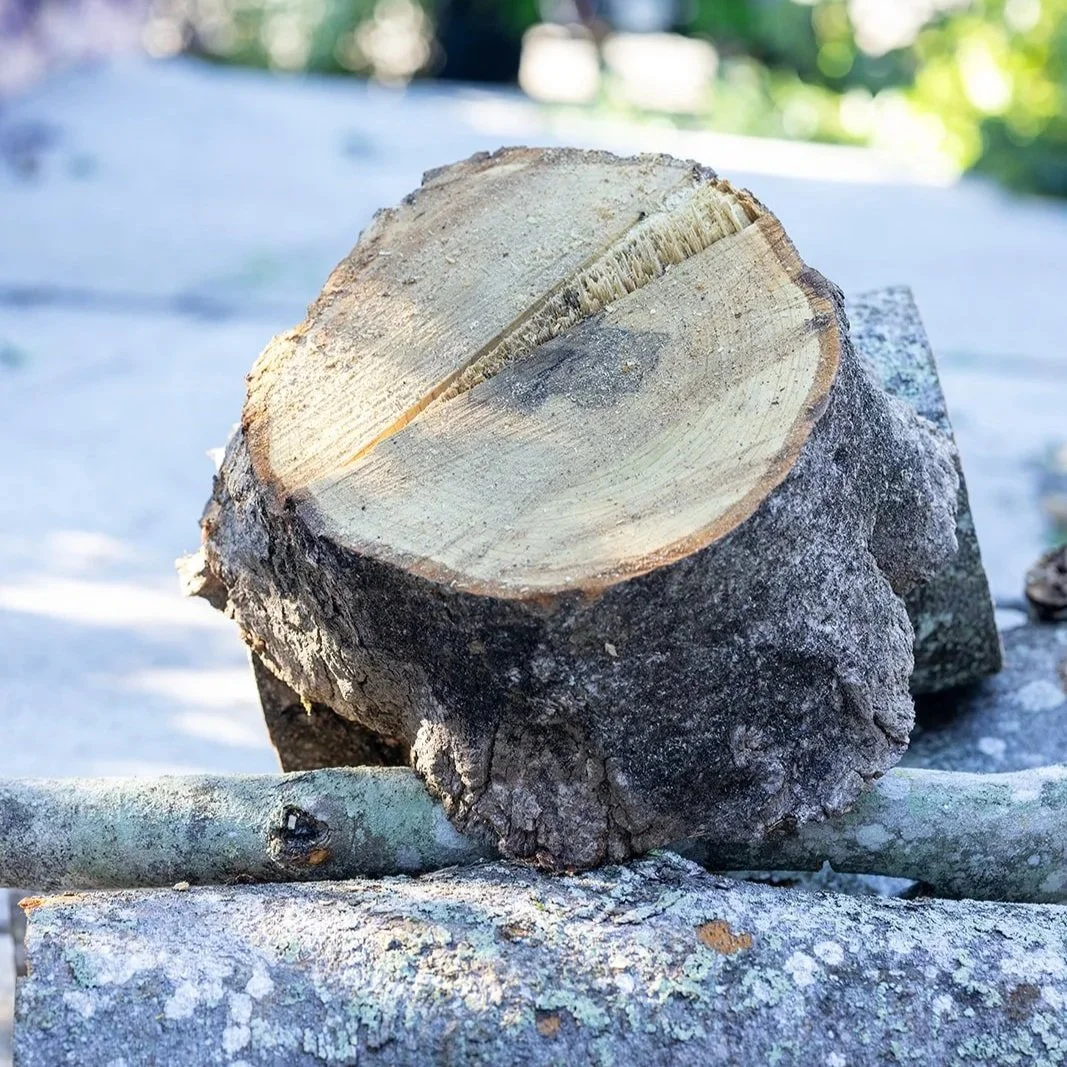
For professional arborists, crown thinning is less about removing branches and more about refining structure.
Understanding Crown Thinning
Crown thinning involves selectively removing smaller interior branches from a tree's canopy to reduce density while maintaining its natural shape. The technique improves light penetration and air circulation without altering the overall height or spread. When done correctly, it gives the tree a more open, balanced structure that allows energy and nutrients to flow efficiently throughout the canopy.
Professionals focus on keeping the framework of the tree intact. Instead of chopping from the outside, they work from within, carefully identifying crowded or competing limbs. Each cut serves a purpose, supporting better growth and preventing future structural problems.
Why Crown Thinning Is A Hidden Art
Crown thinning may look deceptively simple, but it requires a deep understanding of tree biology and structure. Every tree species reacts differently to pruning, and the wrong approach can lead to stress or decay. Professionals understand where to trim to maintain strength, how much to remove without causing harm, and how to predict the tree's response to each adjustment.
The true artistry of crown thinning lies in its subtlety. When done well, the change isn't immediately obvious. The tree retains its natural form but suddenly breathes more easily, catches the light better, and stands stronger against the wind. It's the kind of transformation you feel more than see.
The Science Behind Air And Light
Air and light are as vital to trees as water and soil. Without them, leaves suffocate and branches weaken. A dense canopy blocks both, trapping humidity and creating dark, stagnant zones that attract fungi and insects. By thinning interior branches, arborists open pathways for air movement and sunlight to filter through.
Sunlight stimulates photosynthesis, enabling leaves to produce the energy necessary for healthy growth. Improved airflow dries out moisture that would otherwise encourage rot or mold. The result is a tree that not only looks more lively but also functions more efficiently from root to crown.
Reducing Stress On Limbs
An overcrowded canopy puts unnecessary stress on branches. When too many limbs share space, they rub against each other, creating wounds that invite decay. Over time, these small abrasions can develop into structural weaknesses. Crown thinning eliminates those conflicts by removing the right branches before they cause trouble.
It also reduces overall weight, which makes the tree more resilient during storms. Heavy canopies are more likely to split or lose large sections under wind pressure. A properly thinned crown distributes weight evenly and allows gusts to pass through rather than pushing against a solid mass of leaves and wood.
Crown Thinning vs. Crown Reduction
Crown thinning and crown reduction are often confused, but they serve very different purposes. Reduction focuses on decreasing a tree's size or spread by shortening outer branches. Thinning, on the other hand, concentrates on internal balance without changing the overall silhouette.
Thinning is more like fine-tuning than reshaping. It's the delicate adjustment that lets a mature tree thrive in its current form rather than forcing it to adapt to a smaller one. Professionals use thinning to preserve the tree's character while improving its long-term strength and vitality.
Preventing Disease And Decay
Poor airflow and trapped moisture create a perfect environment for fungal infections and decay. Crown thinning disrupts those conditions by allowing wind and sunlight to reach areas that typically stay damp. It also makes it easier for arborists to spot early signs of disease or insect activity during maintenance visits.
By removing weak, dying, or crossed branches, professionals eliminate potential entry points for pests. Fewer overlapping limbs mean fewer chances for hidden infestations or spreading rot. It's one of the most effective forms of preventive care in modern arboriculture.
Promoting Healthier Growth Patterns
Crown thinning helps guide trees toward balanced, sustainable growth. By removing smaller branches that compete for resources, the remaining limbs grow stronger and better supported. The process redirects nutrients where they're needed most, improving overall structure and resilience.
It also reduces the tendency for trees to produce weak water sprouts, those fast-growing shoots that appear after poor trimming practices. Professional thinning encourages steady, natural development instead of chaotic regrowth. The result is a canopy that matures gracefully over time.
Improving Visibility And Safety
Beyond health benefits, crown thinning improves safety and visibility around properties. Dense foliage can obscure sightlines, hide structural issues, or block important lighting. In urban and residential settings, thinning helps maintain clearances for power lines, pathways, and roadways.
Professionals can also spot potential hazards such as cracked limbs or internal decay that might otherwise remain hidden inside the canopy. Addressing those issues early prevents damage to nearby structures or people during severe weather.
Lightening The Load Without Losing Shade
Homeowners often worry that thinning will leave their yard exposed or too bright. In reality, crown thinning doesn't remove shade; it redistributes it. The canopy becomes more open, allowing dappled sunlight to filter through rather than total darkness or blinding glare.
That balance keeps outdoor areas cooler while improving plant growth beneath the tree. Lawns, gardens, and shrubs benefit from the additional light without suffering from overexposure. It's a comfortable, healthy middle ground between too much and too little sun.
Why Timing Is Everything
Crown thinning should be performed during specific periods based on tree species and local climate. Many arborists prefer late winter or early spring when trees are dormant, allowing clean cuts and faster healing. However, for certain species, summer thinning can help manage rapid growth or improve structural stability before storm season.
Professionals evaluate each tree individually, considering age, health, and environmental factors before scheduling work. Timing affects recovery and determines how the tree will respond to pruning in the months ahead. Thoughtful planning protects both immediate health and long-term structure.
How Much Is Too Much
One of the biggest secrets of crown thinning is restraint. Removing too many branches at once can stress the tree, exposing inner wood to excessive sunlight and leaving it vulnerable to sunscald or dehydration. Professionals follow the rule of moderation, usually removing no more than a small percentage of the live crown during a single session.
The goal is to create an evenly spaced structure with no drastic voids or bare patches. Each cut is strategic, made with the future in mind. A well-thinned canopy should look natural, not hollowed out.
The Equipment Behind The Expertise
Crown thinning requires precision tools that allow for clean, controlled cuts. Arborists use sterilized pruning shears, saws, and pole pruners designed to minimize damage. Safety harnesses and climbing gear allow access to even the highest limbs without harming the tree or surrounding property.
Each piece of equipment is an extension of skill and experience. The tools themselves may look simple, but it's the judgment behind their use that defines the outcome. Professional crown thinning is not a guessing game; it's a calculated process guided by training and attention to detail.
Why Crown Thinning Is Good For Mature Trees
Older trees benefit enormously from crown thinning. As they age, their interior branches often become crowded, brittle, or shaded out. Thinning revitalizes them by reducing internal competition and stimulating new growth in areas that have gone dormant.
Mature trees also face a greater risk from wind damage due to heavier canopies. Thinning lightens that load, helping them remain stable while still maintaining their majestic form. It's one of the best ways to extend the life of older trees and preserve their legacy.
The Environmental Benefits
Crown thinning supports a healthier ecosystem by allowing more sunlight to reach understory plants and ground vegetation. It also improves air flow across the property, which benefits nearby trees and shrubs. Healthier trees capture more carbon, support wildlife habitats, and contribute to local biodiversity.
Thinning also reduces the need for chemical treatments or emergency removals, making it an environmentally friendly maintenance choice. It's a sustainable practice that promotes balance within both the tree and its surrounding landscape.
When To Call In Professionals
Crown thinning might sound simple in theory, but it's a complex practice best left to experienced professionals. The difference between proper thinning and over-pruning is subtle but significant. A single poorly placed cut can compromise the structure or invite disease.
Professional arborists use training, precision, and knowledge of species-specific behavior to perform the work safely. They evaluate the tree's needs holistically, considering everything from growth history to environmental stress. The result is a healthier, stronger, and more visually appealing tree that continues to thrive for years.
Why Crown Thinning Is The Silent Hero Of Tree Care
Crown thinning rarely gets the spotlight, but its effects are felt in every healthy, graceful tree that stands tall season after season. It's a quiet art form that shapes the unseen, airflow, balance, and energy distribution, creating stability that lasts a lifetime.
Professionals know that true beauty in a landscape doesn't come from overgrowth or extremes. It comes from balance, and crown thinning is the key to maintaining it. With every careful cut, arborists craft a canopy that breathes, shines, and endures, proving that the best tree care often happens quietly, high above the ground, where science and artistry meet.
